في الوقت الذي تسعى فيه المملكة إلى ترسيخ قيم المواطنة العالمية، وتعزيز صورتها الإنسانية في الخارج ضمن مستهدفات رؤية السعودية 2030، تأتي قصة الشاب أحمد ناصر العنزي وأصدقاءه حمود العنزي ومبارك العنزي لتجسد هذه القيم بأبهى صورها، وتقدم نموذجًا مشرفًا لشباب الوطن حين يُختبرون في مواقف لا تقبل التردد.
من قلب السيول التي اجتاحت محافظة الشملي بمنطقة حائل، برز أحمد، برفقة ثلاثة شبان سعوديين، بموقف بطولي أنقذ فيه مهندسين صينيين من موت محقق. لم يكن المشهد مرتبًا ولا محسوبًا، ولم يكن هناك وقت للتفكير في العواقب، بل تحرّك بدافع إنساني صرف. وسرعان ما تحولت قصته إلى مادة تداولها الإعلام العالمي، ليس لأنها حادثة استثنائية فحسب، بل لأنها أعادت التذكير بصورة الإنسان السعودي حين يتقدم لإنقاذ الآخر دون حساب.
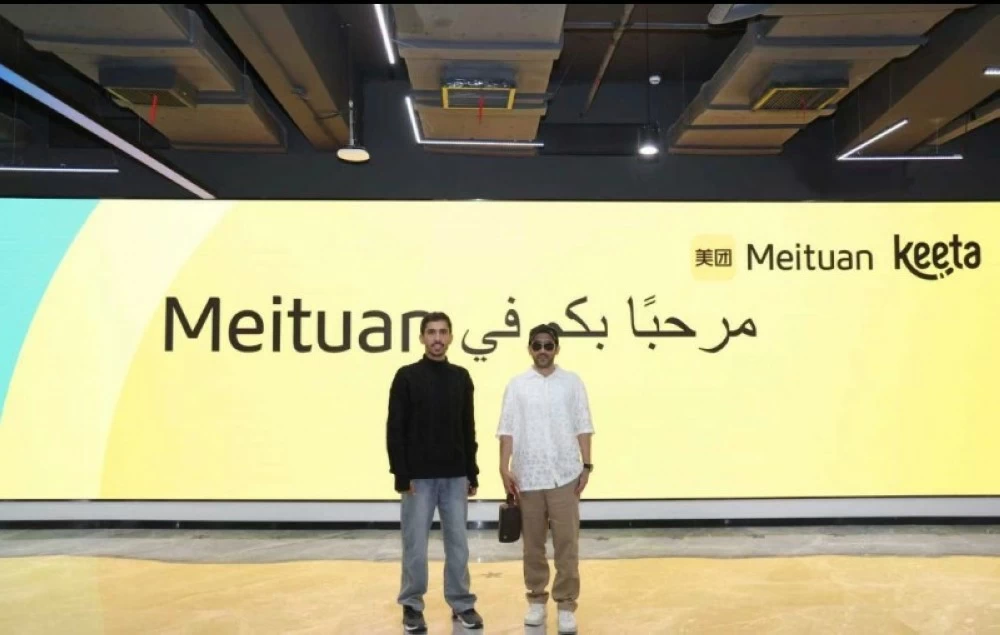
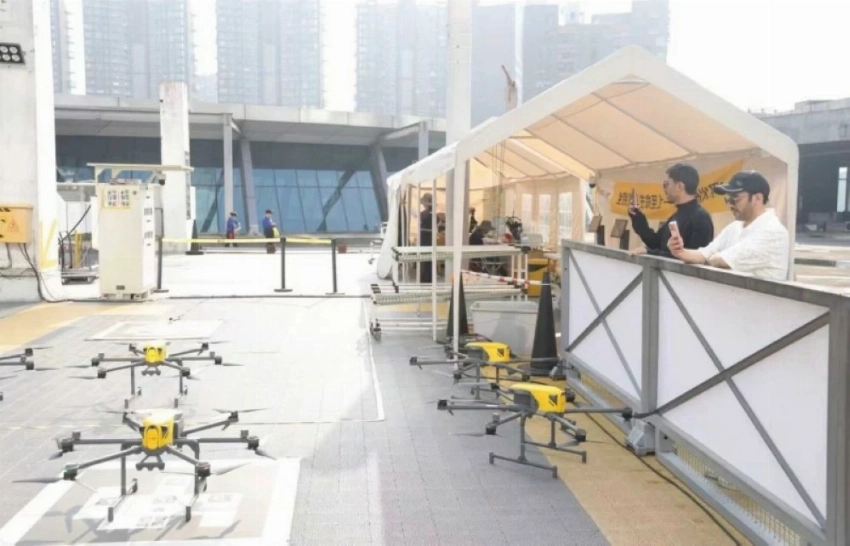
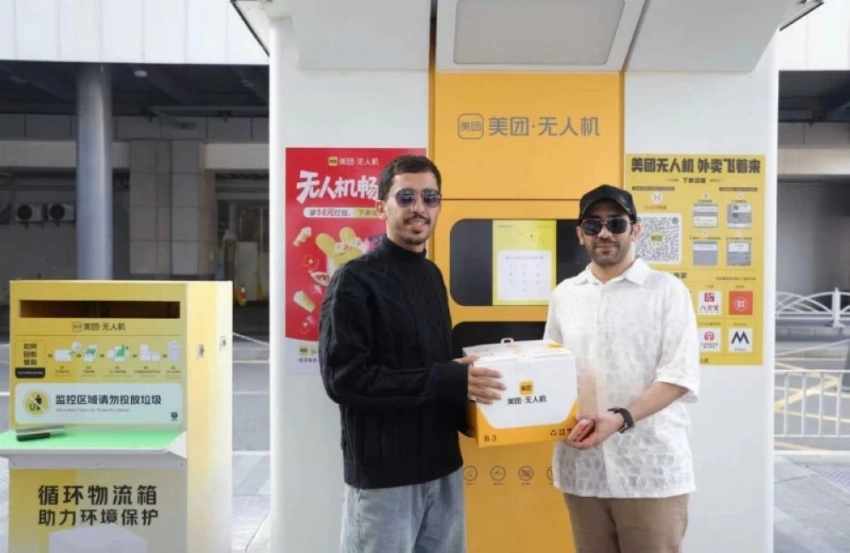
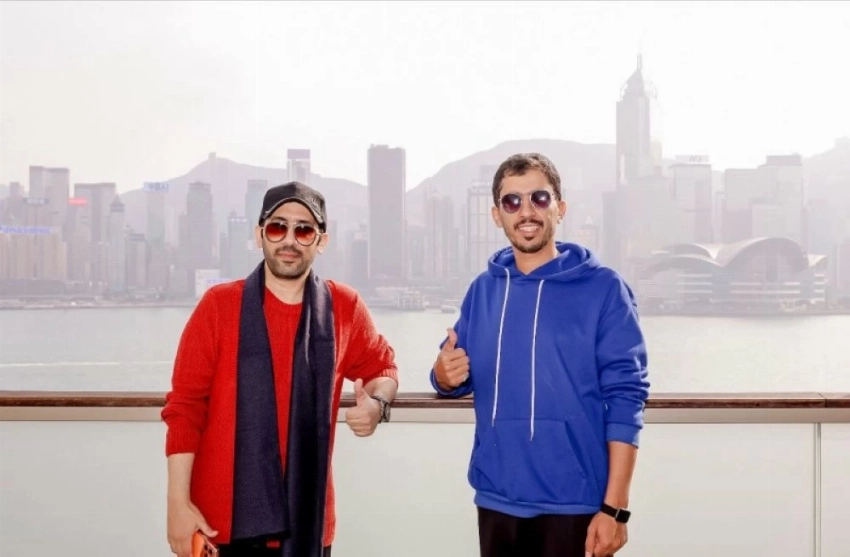
وجاءت هذه الرحلة في سياق أوسع من مبادرات التقدير التي أبدتها جهات وشركات صينية متعددة تجاه الموقف الإنساني الذي قام به أحمد وزملاؤه، بعد أن لاقت قصتهم صدىً واسعًا في الصين. وفي هذا الإطار، حرصت شركة كيتا على أن يكون دورها بسيطًا وواضحًا: رد الجميل باستضافة أحمد، أحد الأبطال الثلاثة، في رحلة شخصية وترفيهية خفيفة، تتيح له التعرف على الصين عن قرب والاستمتاع بتجربة مختلفة، وبروح إنسانية خالصة تعكس الامتنان لموقف لا يُنسى.
ولعل في هذه المبادرة ما يعكس طبيعة انطلاقة كيتا نفسها داخل المملكة، حين بدأت خدماتها من مدينة الخرج، بعيدًا عن الأضواء والمدن المركزية الكبرى. بداية من الداخل، ومن المجتمع، بفلسفة تؤمن بأن الأثر الحقيقي لا يحتاج ضجيجًا بقدر ما يحتاج التزامًا بالقيمة. وربما لهذا بدت مبادرة تكريم أحمد امتدادًا طبيعيًا لهذه الروح، لا حدثًا منفصلًا عنها.
وخلال وجودنا في الصين، وحين علم سفير خادم الحرمين الشريفين في بكين عبدالرحمن الحربي بقصة البطل أحمد ناصر العنزي أحد الأبطال الثلاثة، وبوجوده في الصين، بادر بدعوته، برفقتي، إلى زيارة مقر السفارة السعودية في العاصمة. وهناك، استقبلنا وكرّم أحمد رسميًا تقديرًا لموقفه الإنساني البطولي، في لفتة عكست حرص السفارة على الاحتفاء بالنماذج المشرفة من أبناء الوطن، ومؤكدة أن مثل هذه المواقف تستحق التقدير أينما كان أصحابها.
ما قام به أحمد، كما كان يكرر، لم يكن بدافع البحث عن الأضواء أو التكريم، بل كان نابعًا من قناعة راسخة بأن العمل الإنساني جزء أصيل من الهوية السعودية. يقول ببساطة: «اللي سويناه واجب إنساني. هذا ما تربّينا عليه». ومع كل محطة في الرحلة، كانت تتكرر مشاعر الإعجاب من مواطنين صينيين تابعوا القصة أو سمعوا تفاصيلها، ليؤكدوا أن مثل هذه المواقف تُفهم بلغتها الإنسانية قبل أي لغة أخرى.
لقد كانت الرحلة أكثر من مجرد تكريم، بل مثالًا حيًا على الدبلوماسية الثقافية التي توحد القلوب قبل السياسات، وتعزز العلاقات بين الشعوب خارج إطار البروتوكولات الرسمية. وبينما تركت التكنولوجيا الصينية انطباعًا مبهرًا لدى أحمد، فإن الأثر الذي تركه هو في نفوس من التقوه كان أعمق وأبقى.
كيتا، من خلال هذه المبادرة، قدمت نموذجًا لدور الشركات حين يتجاوز الخدمة إلى المسؤولية المجتمعية، وحين يكون التكريم فعل تقدير لا استعراض. لقد تحولت رحلة أحمد إلى جسر إنساني يربط بين ثقافتين، ويحوّل موقفًا بطوليًا إلى رسالة صامتة تنقل معناها دون كلمات.
من حائل إلى بكين، ومن موقف إنساني عابر إلى رسالة عالمية، تذكّرنا قصة أحمد بأن صورة الوطن لا تُصنع فقط في المؤتمرات والمنصات، بل في لحظة شجاعة يتقدم فيها إنسان لإنقاذ إنسان، وحين يحدث ذلك، فإن العالم كله يرى السعودية كما نعرفها نحن ونعيشها، في ظل قيادة رشيدة مُلهمة برؤيتها وطموحاتها بقيادة خادم الحرمين الشريفين الملك سلمان بن عبدالعزيز آل سعود، وملهمنا وعراب رؤيتنا ولي العهد رئيس مجلس الوزراء الأمير محمد بن سلمان -حفظهما الله.
At a time when the Kingdom is striving to establish the values of global citizenship and enhance its humanitarian image abroad as part of the goals of Saudi Vision 2030, the story of young Ahmed Nasser Al-Anzi and his friends Hamoud Al-Anzi and Mubarak Al-Anzi embodies these values in their finest form, presenting an honorable model for the youth of the nation when they are tested in situations that do not allow for hesitation.
From the heart of the floods that swept through the Al-Shamli governorate in the Hail region, Ahmed, along with three Saudi youths, emerged in a heroic stance where he saved Chinese engineers from certain death. The scene was neither planned nor calculated, and there was no time to think about the consequences; rather, he acted purely out of humanitarian impulse. Soon, his story became a topic of discussion in the global media, not only because it was an exceptional incident but also because it reminded everyone of the image of the Saudi person when stepping forward to save another without hesitation.
This journey came as part of a broader context of appreciation initiatives expressed by various Chinese entities and companies towards the humanitarian act carried out by Ahmed and his colleagues, after their story resonated widely in China. In this context, KITA was keen to play a simple and clear role: to give back by hosting Ahmed, one of the three heroes, on a personal and light entertainment trip that would allow him to get to know China up close and enjoy a different experience, embodying a pure humanitarian spirit that reflects gratitude for an unforgettable act.
Perhaps this initiative reflects the nature of KITA's own launch within the Kingdom, as it began its services from the city of Al-Kharj, away from the spotlight and major central cities. Starting from within, from the community, with a philosophy that believes that true impact does not need noise as much as it needs commitment to value. This is perhaps why the initiative to honor Ahmed seemed a natural extension of this spirit, rather than a separate event.
During our time in China, when the Ambassador of the Custodian of the Two Holy Mosques in Beijing, Abdulrahman Al-Harbi, learned of the story of hero Ahmed Nasser Al-Anzi, one of the three heroes, and his presence in China, he promptly invited him, along with me, to visit the Saudi embassy in the capital. There, we were received and Ahmed was officially honored in appreciation of his heroic humanitarian stance, in a gesture that reflected the embassy's commitment to celebrating the honorable examples of the nation's sons, affirming that such actions deserve recognition wherever their owners may be.
What Ahmed did, as he repeatedly mentioned, was not motivated by a desire for the spotlight or recognition, but stemmed from a firm conviction that humanitarian work is an integral part of the Saudi identity. He simply says: "What we did was a humanitarian duty. This is what we were raised on." With each stop on the journey, feelings of admiration were echoed by Chinese citizens who followed the story or heard its details, confirming that such actions are understood in their human language before any other language.
The journey was more than just an honor; it was a living example of cultural diplomacy that unites hearts before policies and strengthens relationships between peoples outside the framework of official protocols. While Chinese technology left an impressive mark on Ahmed, the impact he left in the hearts of those he met was deeper and more lasting.
KITA, through this initiative, provided a model for the role of companies when service transcends to social responsibility, and when honoring is an act of appreciation rather than a display. Ahmed's journey transformed into a humanitarian bridge connecting two cultures, turning a heroic act into a silent message that conveys its meaning without words.
From Hail to Beijing, and from a fleeting humanitarian act to a global message, Ahmed's story reminds us that the image of the nation is not only created in conferences and platforms but in a moment of courage when a person steps forward to save another. When that happens, the whole world sees Saudi Arabia as we know it and live it, under an inspiring leadership with a vision and ambitions led by the Custodian of the Two Holy Mosques King Salman bin Abdulaziz Al Saud, and our inspiration and architect of our vision, Crown Prince and Prime Minister Mohammed bin Salman - may Allah protect them.