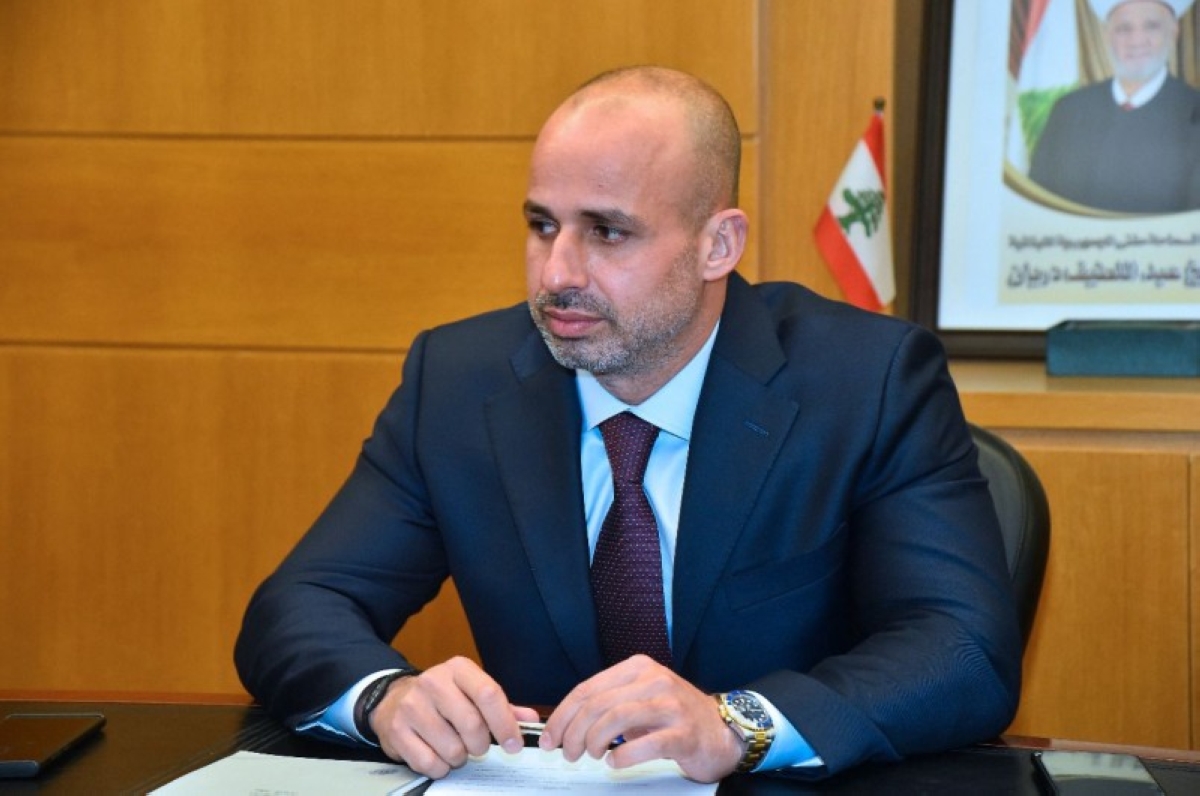
وصف رئيس مجلس أمناء صندوق الزكاة في لبنان محمد إبراهيم الجوزو، العلاقة بين الصندوق والمؤسسات الإنسانية السعودية، بأنها «راسخة»، وتضرب جذورها في عقودٍ من التعاون المشرّف.
وقال في لقاء مع «عكاظ»: «كان لمركز الملك سلمان للإغاثة والأعمال الإنسانية وهيئة الإغاثة الإسلامية العالمية والبنك الإسلامي للتنمية، دورٌ محوريّ في دعم برامج الصندوق، من خلال مشاريع كفالة الأيتام، وتوزيع الحصص الغذائية والملابس، ومشروع لحوم الهدي والأضاحي الذي يُنفّذ عبر دار الفتوى في لبنان بشفافية تامة ليصل إلى آلاف المحتاجين في مختلف المناطق».
جسر إنساني دائم
وأكد الجوزو أن هذه الشراكة لم تكن يوماً عابرة أو ظرفية، بل هي جسر إنساني دائم يجمع المملكة ولبنان على قاعدة واحدة: «الإيمان بكرامة الإنسان، والعمل الصادق لخدمته، والسعي إلى تحقيق تنمية مستدامة لمساعدة الشعب اللبناني على تجاوز أزمته الاقتصادية».
وشدد الجوزو على أنّ «الحاجة ملحّة إلى تعزيز جسور التعاون والتكامل مع المملكة العربية السعودية والدول العربية الشقيقة، لاستكمال مسيرة التكافل والتمكين الإنساني التي جمعتنا دائمًا تحت راية الأخوة الإسلامية».
أزمة اقتصادية خانقة
وقال إن لبنان يشهد أزمة اقتصادية تُعدّ الأشد في تاريخه الحديث، إذ انكمش الاقتصاد بأكثر من ٤٠٪، وتراجعت قيمة العملة الوطنية بنسبة تفوق ٩٥٪، وبلغت البطالة نحو ٤٠٪، فيما يعيش أكثر من ٨٠٪ من اللبنانيين تحت خط الفقر المتعدد الأبعاد.
ومع ذلك، وبرعاية مفتي الجمهورية اللبنانية الشيخ عبداللطيف دريان، وبجهود الخيرين والمخلصين، استطاع صندوق الزكاة أن يُحقق قفزة نوعية في أدائه، إذ ارتفعت موارده بنسبة ٤٤٪ خلال النصف الأول من عام ٢٠٢٥ مقارنةً بالفترة نفسها من العام الماضي، وتوسّع نطاق عمله ليشمل عشرة فروع تغطي مختلف المناطق اللبنانية. لقد أصبح الصندوق شبكة أمان اجتماعي حقيقية، يحتضن آلاف الأسر والأيتام والطلاب والمرضى وذوي الهمم، ويمضي بثبات نحو التحول من المساعدة إلى التمكين، ومن الإغاثة إلى التنمية، رغم غياب الدعم الرسمي وضعف إمكانيات الدولة.
برامج إنسانية ووحدة في الرسالة
وأفاد الجوزو بأنّ جسر التعاون مع المملكة لن يقف عند الدعم المالي فحسب، بل إن العمل يجري على أن يمتد إلى التكامل في الخبرة والإدارة. فالمملكة العربية السعودية تمتلك تجربة رائدة في تنظيم العمل الخيري والزكوي والإنساني على المستويين المحلي والعالمي، عبر مؤسساتها الكبرى ومراكزها المتخصصة.
وقال إن صندوق الزكاة يتطلع إلى الاستفادة من هذه التجربة الغنية عبر برامج تبادل خبرات وشراكات فكرية وتنظيمية تشمل مجالات الحوكمة، وإدارة الزكاة الرقمية، وتقييم الأثر الاجتماعي، وتطوير الأداء المؤسسي. فالتعاون بين المؤسسات لا يُقاس فقط بما يُقدَّم من مساعدات، بل بما يُبنى من قدرات.
ولفت إلى أن صندوق الزكاة وهو يؤدي واجبه في أحلك الظروف، يرى في المملكة العربية السعودية شريكاً طبيعياً في الخير، لا لفارق في الموارد، بل لوحدة في الرسالة.
ملفات إنسانية بحاجة للدعم
ولفت إلى أنه رغم كل الجهود، تبقى ملفات إنسانية أساسية بحاجة إلى دعمٍ متجددٍ وتعاونٍ مؤسسيٍّ أوسع، أبرزها:
1- كفالة الأيتام: مئات الأيتام الذين رعاهم الصندوق في مراحل سابقة ما زالوا ينتظرون من يمدّ إليهم يد العطف والرعاية. هؤلاء الأطفال ليسوا أرقاماً في التقارير، بل وجوه بريئة تحتاج إلى الاستقرار والتعليم والرعاية النفسية والاجتماعية.
2- زكاة العلم: التعليم في لبنان هو أغلى ما تبقّى من ثرواته. وبرنامج «زكاة العلم» الذي يرعاه الصندوق يهدف إلى دعم الطلاب الجامعيين والمدرسيين المتفوّقين من ذوي الدخل المحدود، ليواصلوا تحصيلهم العلمي ويشكّلوا نواة مستقبلٍ واعد. فالعلم، في لبنان، ليس ترفًا بل واجب وطني وديني.
3- الطبابة والرعاية الصحية: في ظل تراجع الخدمات العامة وارتفاع تكاليف العلاج، أصبحت الطبابة من أكثر المجالات إلحاحاً. يعمل الصندوق على تغطية العمليات الجراحية والعلاجات الضرورية وتأمين الأدوية للأسر الفقيرة والمسنين، بموارد محدودة وجهود مضاعفة، لأنّ حق الإنسان في العلاج لا يُقاس بالإمكانات، بل بالرحمة.
The Chairman of the Board of Trustees of the Zakat Fund in Lebanon, Mohamed Ibrahim Al-Jouzo, described the relationship between the fund and Saudi humanitarian institutions as "deep-rooted," with its roots extending over decades of honorable cooperation.
In an interview with "Okaz," he said: "The King Salman Center for Relief and Humanitarian Action, the International Islamic Relief Organization, and the Islamic Development Bank have played a pivotal role in supporting the fund's programs through projects for orphan sponsorship, distribution of food parcels and clothing, and the sacrificial meat project, which is implemented through the Dar Al-Fatwa in Lebanon with complete transparency to reach thousands of needy people in various regions."
A Permanent Humanitarian Bridge
Al-Jouzo affirmed that this partnership has never been fleeting or circumstantial; rather, it is a permanent humanitarian bridge that unites the Kingdom and Lebanon on a common foundation: "Belief in human dignity, sincere work to serve it, and striving to achieve sustainable development to help the Lebanese people overcome their economic crisis."
He emphasized that "there is an urgent need to enhance bridges of cooperation and integration with the Kingdom of Saudi Arabia and the brotherly Arab countries, to continue the journey of solidarity and humanitarian empowerment that has always united us under the banner of Islamic brotherhood."
A Stifling Economic Crisis
He stated that Lebanon is experiencing an economic crisis considered the worst in its modern history, with the economy contracting by more than 40%, the value of the national currency declining by over 95%, and unemployment reaching around 40%, while more than 80% of Lebanese people live below the multidimensional poverty line.
Despite this, and under the patronage of the Grand Mufti of the Lebanese Republic, Sheikh Abdul Latif Deryan, and through the efforts of the benevolent and dedicated, the Zakat Fund has achieved a qualitative leap in its performance, with its resources increasing by 44% during the first half of 2025 compared to the same period last year, and expanding its scope of work to include ten branches covering various Lebanese regions. The fund has become a true social safety net, embracing thousands of families, orphans, students, patients, and people with disabilities, and is steadily moving towards a transition from assistance to empowerment, and from relief to development, despite the absence of official support and the limited capabilities of the state.
Humanitarian Programs and Unity in Message
Al-Jouzo indicated that the bridge of cooperation with the Kingdom will not be limited to financial support alone; rather, efforts are underway to extend to the integration of expertise and management. The Kingdom of Saudi Arabia possesses a pioneering experience in organizing charitable, zakat, and humanitarian work at both local and global levels, through its major institutions and specialized centers.
He stated that the Zakat Fund looks forward to benefiting from this rich experience through programs for exchanging expertise and intellectual and organizational partnerships that include areas such as governance, digital zakat management, social impact assessment, and institutional performance development. Cooperation between institutions is measured not only by the assistance provided but also by the capacities built.
He pointed out that while the Zakat Fund fulfills its duty in the direst circumstances, it sees in the Kingdom of Saudi Arabia a natural partner in goodness, not for differences in resources, but for the unity in message.
Humanitarian Files in Need of Support
He noted that despite all efforts, there remain essential humanitarian files in need of renewed support and broader institutional cooperation, the most prominent of which are:
1- Orphan Sponsorship: Hundreds of orphans who were cared for by the fund in previous stages are still waiting for someone to extend a hand of compassion and care to them. These children are not just numbers in reports; they are innocent faces that need stability, education, and psychological and social care.
2- Zakat for Education: Education in Lebanon is the most valuable remaining resource. The "Zakat for Education" program, sponsored by the fund, aims to support outstanding university and school students from low-income families, enabling them to continue their academic pursuits and form the nucleus of a promising future. Knowledge, in Lebanon, is not a luxury but a national and religious duty.
3- Medical Care and Health Services: Amid declining public services and rising treatment costs, medical care has become one of the most pressing areas. The fund works to cover surgeries, essential treatments, and provide medications for poor families and the elderly, with limited resources and multiplied efforts, because a person's right to treatment is not measured by resources but by compassion.