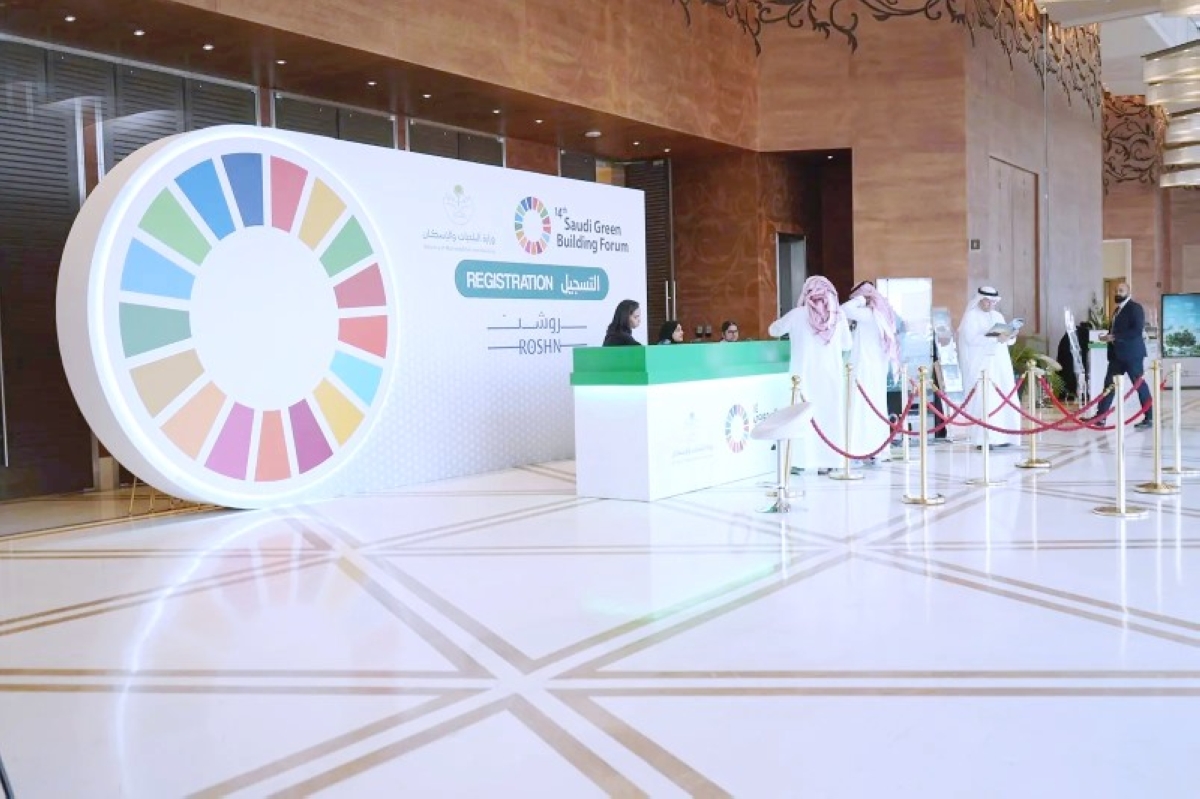
امتداداً لدوره الريادي بصفته مؤسسة وطنية تتمتع بوضع استشاري لدى المجلس الاقتصادي والاجتماعي للأمم المتحدة (ECOSOC)، ومعتمدة لدى اتفاقية الأمم المتحدة الإطارية بشأن تغيّر المناخ (UNFCCC)؛ وتأكيداً لمكانة الخبراء السعوديين، وأفضل الممارسات الوطنية المنبثقة من رؤية المملكة 2030، في دعم الجهود العالمية نحو الاستدامة والتحوّل الأخضر، يشارك المنتدى السعودي للأبنية الخضراء في أعمال مؤتمر الأمم المتحدة لتغير المناخ (COP30)، الذي يُعقد في مدينة بيلم بجمهورية البرازيل خلال الفترة من 10 إلى 21 نوفمبر 2025م. ويأتي حضور المنتدى الذي يركز في مشاركته هذا العام على طرح مبدأ «الكفاية أولاً قبل الكفاءة» في السياسات المناخية، وهو مبدأ يدعو إلى تقليل الطلب على الموارد من المنبع قبل التركيز على تحسين الكفاءة، بما يعزز العدالة المناخية ويحقق التوازن بين التنمية الاقتصادية وحماية البيئة. وأوضح الأمين العام للمنتدى المهندس فيصل الفضل أن هذا التوجه يمثل نقلة نوعية في فكر البناء المستدام، قائلاً: «الكفاية لا تعني الحد من التنمية، بل تعني تحقيق التوازن بين الاحتياجات البشرية، وقدرة الكوكب على توفير الموارد، بما يضمن العدالة الاجتماعية وحماية البيئة في آن واحد». وبيّن الفضل، أن المنتدى يسعى خلال مشاركته إلى تعزيز التعاون الدولي لتطوير مؤشرات وسياسات الكفاية، بالتنسيق مع الشركاء من الدول والمنظمات الدولية والقطاعين العام والخاص، بما يسهم في تحقيق أهداف التنمية المستدامة والأجندة العالمية السامية للأمم المتحدة.
Continuing its pioneering role as a national institution with an advisory status at the United Nations Economic and Social Council (ECOSOC) and accredited to the United Nations Framework Convention on Climate Change (UNFCCC); and affirming the status of Saudi experts and the best national practices stemming from the Kingdom's Vision 2030 in supporting global efforts towards sustainability and the green transition, the Saudi Green Building Forum is participating in the United Nations Climate Change Conference (COP30), which will be held in the city of Belém, Brazil, from November 10 to 21, 2025. The forum's participation this year focuses on promoting the principle of "sufficiency before efficiency" in climate policies, a principle that calls for reducing resource demand at the source before focusing on improving efficiency, thereby enhancing climate justice and achieving a balance between economic development and environmental protection. The Secretary-General of the forum, Engineer Faisal Al-Fadl, explained that this approach represents a qualitative shift in sustainable building thinking, stating: "Sufficiency does not mean limiting development, but rather achieving a balance between human needs and the planet's capacity to provide resources, ensuring social justice and environmental protection simultaneously." Al-Fadl indicated that the forum aims, during its participation, to enhance international cooperation to develop sufficiency indicators and policies, in coordination with partners from countries, international organizations, and the public and private sectors, contributing to the achievement of sustainable development goals and the United Nations' high global agenda.