في الشعر لم يكن الأمر أن تُمنح الأشياءُ صفاتٍ بشرية، فهذا بابٌ بلاغيّ قديم، استنفدت الاستعارة والتشخيص كثيراً من احتمالاته. الأمر الأعمق أن ينجح النص في انتزاع الشيء من وظيفته الأولى، ثم يعيده إلى العالم محمّلاً بوظيفة أخرى، مثلاً، أن يكفَّ البحر عن كونه ماءً، والمشنقة عن كونها أداةً، والغيمة عن كونها ظاهرةً في السماء، والبلاد عن كونها جغرافيا. عندئذ لا يصبح المجاز وسيلةً لإعادة تكوين الأشياء.
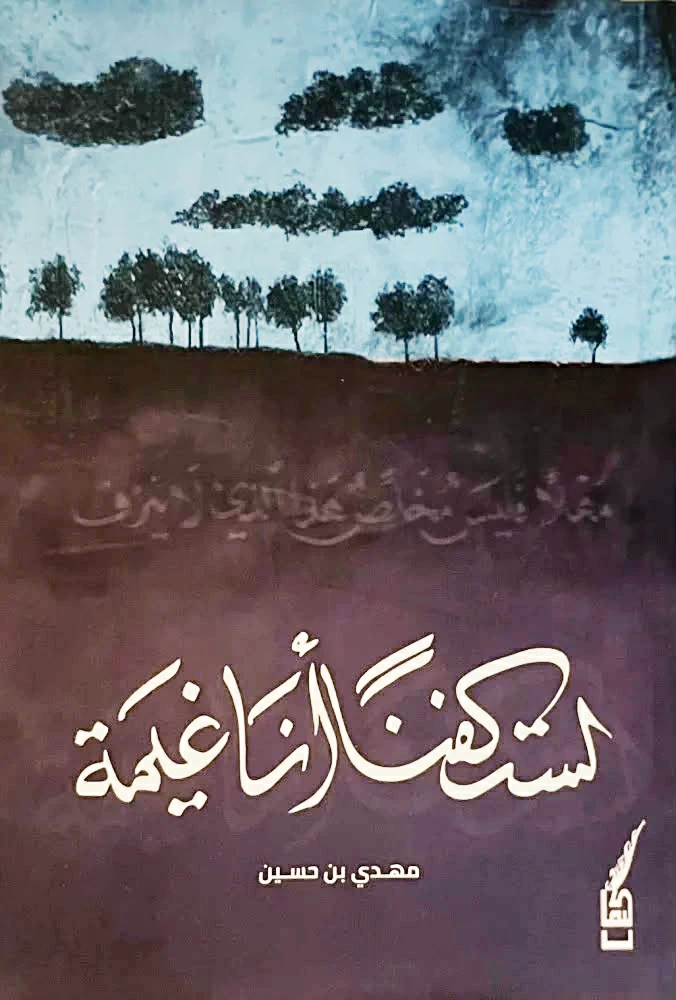
من هذه الزاوية سأقترب من تجربة مهدي بن حسين السنونة في كتابه «لستُ كفناً.. أنا غيمة»، سأبحث كيف أن غرابة الصورة تبّدل هوية الأشياء في مختبره الشعري. وهذا المدخل سيكون من داخل النص، فالشاعر في الصفحات الأولى من الكتاب، وضع ما يشبه البيان الشعري الصغير حين يرى أن الشعر هو «أن تستنطق الجامد من الأشياء»، ثم يربطه بالتفاصيل اليومية وبقدرة النص على دفع خيال القارئ إلى ما يتجاوز فكرة الشاعر نفسها.
وهذه العبارة سأجعلها مفتاحاً ومحكّاً للقراءة، ولن أعتبرها شهادةً مسبقةً على نجاح تجربته، يجب أن تكون سؤالاً نعود به إلى النصوص: هل نجح فعلاً أن يستنطق الأشياء، أم اكتفى بإسناد أفعال بشرية إليها؟
وهل أدّى الانزياح إلى اكتشاف علاقة جديدة بالعالم، أم تحوّلت كثافة المجاز في بعض المواضع إلى حجاب بين القارئ والدلالة؟
من أوضح الأشياء التي تغادر وظيفتها الطبيعية في الكتاب البحر. فالشاعر سحبه سريعاً إلى المجال النفسي والإنساني. فيسأل:
«هل أرغموه على التنهد؟»
ثم يصل إلى تركيب أكثر دلالة:
«البحرُ منسوبٌ لخيبةِ قاطنيه»
ويذهب أبعد حين يجعل الغريق يترك لدى البحر «أمانة».
في الصورة الأولى التشخيص كان بصورة مباشرة: البحر يتنهد. وهي صورة، منفردةً، لكن لا يكفي ومن خلالها أن أرجّح بخصوصية شعرية كبيرة، فالطبيعة المتألمة أو المشاركة للإنسان عريقة في الشعر.
أما التحوّل الأهم فيقع في العبارة الثانية: «البحر منسوب لخيبة قاطنيه». هنا تنقلب العلاقة المألوفة بين المكان وساكنيه، فبدل أن يُنسب القاطنون إلى البحر، يصبح البحر نفسه منسوباً إلى خيبتهم.
فالتجربة الإنسانية هي التي تحتوي المكان وتعيد تعريفه.
ويستمر هذا التحوّل حين يصبح البحر جزءاً من معجم المنفى والنزوح والملح والغرق. ففي موضع آخر تتجه الحركة نحو الماء بوصفه إمكانيةً لمحو آثار الجسد، إذ يُطلب من العائد أن يقفز في الماء ليغسل «الندب الموزعة» في جسده، ويعود «صفحة بيضاء».
فالماء يدخل في محاولة مستحيلة تقريباً لاستعادة الجسد السابق ولم يكن للتطهر.
والبحر لا يصف الحزن، إنه يتورط فيه. الكفن والغيمة عنوان الكتاب: «لستُ كفناً.. أنا غيمة» جملة شعرية جذابة، يختصر فيها الآلية التي تتحرك بها الأشياء في النص كله:
شيءٌ يرفض وظيفته الأولى ليُعاد إنتاجه في وظيفة أخرى.
واللافت أن العلاقة بين الكفن والغيمة ليست تضاداً بسيطاً بين الموت والحياة. فالصورتان تلتقيان، فكلاهما غطاء، وكلاهما يحجب ما وراءه، لكن التشابه ينتهي عند الوظيفة: الكفن يغطي ما انتهى، أما الغيمة فتغطي وهي في طريقها إلى التحوّل، الكفن يلفّ الجسد، أما الغيمة لا تكاد تستقر على هيئة حتى تغادرها.
وهذا الفارق بين الثبات والتحوّل، يجعل النفي في «لستُ كفناً» مهماً. فالمتكلم يرفض الصورة التي تريد أن تثبته في هيئة نهائية، ثم يختار لنفسه أكثر الصور استعصاءً على الثبات، الغيمة.
وهذا التأويل لا يستند إلى العنوان وحده، فالغيمة تعود داخل الكتاب محمّلة بوظائف تتجاوز معناها الطبيعي. يقول الشاعر:
«بماذا تحبلُ الغيمات؟»
ثم يتابع:
«إنَّ للغيماتِ جسماً في فمي»
قبل أن يبلغ الصورة الأكثر غرابة:
«أأنفثُ غيمةً ثم أخلق؟»
ثلاثة تحوّلات تقع في مساحة قصيرة: الغيمة تحبل، ثم يصبح لها جسد، ثم تخرج من الفم مقرونة بفعل الخلق.
فالغيمة انتقلت من الطبيعة إلى الجسد، ومن الجسد إلى اللغة.
الفم موضع الكلام، ووجود «جسم الغيمة» يسمح أن أقرأ الغيمة كأنها احتمال للقول والخلق، ويؤكد النص هذا المسار حين يقول:
«نفخوا بصدري من الغيوم تعانقاً فولدت».
وهذا المعجم الكامل للولادة: الحبل، الجسد، النفخ، التعانق، الولادة، الخلق. وأمام هذا التواتر يصعب اعتبار الغيمة صورة عابرة.
لتدخل في بنية توليدية تجعلها نقيضاً وظيفياً للكفن:
الكفن يلي الموت، أما الغيمة فتدخل في سلسلة تنتهي بالولادة.
In poetry, it is not merely about attributing human qualities to things; this is an old rhetorical device that metaphor and personification have exhausted many of its possibilities. The deeper matter is for the text to succeed in extracting the thing from its primary function and then returning it to the world laden with another function. For example, for the sea to cease being just water, the gallows to stop being merely a tool, the cloud to no longer be just a phenomenon in the sky, and the country to be more than just geography. At that point, metaphor does not become a means of reconstituting things.
From this perspective, I will approach the experience of Mahdi bin Hussein Al-Sanouna in his book "I Am Not a Shroud... I Am a Cloud." I will explore how the strangeness of the image alters the identity of things in his poetic laboratory. This entry will be from within the text, as the poet, in the early pages of the book, presents what resembles a small poetic manifesto when he sees that poetry is "to interrogate the inanimate things." He then links it to daily details and the text's ability to push the reader's imagination beyond the poet's own idea.
I will make this statement a key and a criterion for reading, and I will not consider it a prior testimony to the success of his experience; it should be a question we return to the texts with: Did he really succeed in interrogating things, or did he merely attribute human actions to them?
And did the deviation lead to the discovery of a new relationship with the world, or did the density of metaphor in some instances become a veil between the reader and the meaning?
One of the clearest things that departs from its natural function in the book is the sea. The poet quickly pulls it into the psychological and human realm. He asks:
“Did they force it to sigh?”
Then he arrives at a more significant construction:
“The sea is attributed to the disappointment of its inhabitants.”
He goes further when he makes the drowning person leave a “trust” with the sea.
In the first image, the personification was direct: the sea sighs. It is a singular image, but it is not enough to lean towards a significant poetic specificity, as the suffering nature or the nature that participates with humans is ancient in poetry.
However, the most important transformation occurs in the second phrase: “The sea is attributed to the disappointment of its inhabitants.” Here, the familiar relationship between the place and its inhabitants is reversed; instead of the inhabitants being attributed to the sea, the sea itself becomes attributed to their disappointment.
Thus, the human experience is what contains the place and redefines it.
This transformation continues as the sea becomes part of the lexicon of exile, displacement, salt, and drowning. In another instance, the movement towards water is seen as a possibility to erase the traces of the body, as the returnee is asked to jump into the water to wash away the “distributed scars” on his body and return as a “blank page.”
Water enters into an almost impossible attempt to restore the previous body, and it is not for purification.
The sea does not describe sadness; it becomes entangled in it. The shroud and the cloud are the title of the book: “I Am Not a Shroud... I Am a Cloud,” an attractive poetic phrase that summarizes the mechanism by which things move throughout the text:
Something that refuses its first function to be reproduced in another function.
What is striking is that the relationship between the shroud and the cloud is not a simple opposition between death and life. The two images converge; both are covers, and both obscure what lies behind them, but the similarity ends at function: the shroud covers what has ended, while the cloud covers as it is on its way to transformation. The shroud wraps the body, while the cloud hardly settles into a form before it leaves it.
This difference between stability and transformation makes the negation in “I Am Not a Shroud” significant. The speaker rejects the image that wants to fix him in a final form, then chooses for himself the most elusive image of stability, the cloud.
This interpretation does not rely solely on the title, as the cloud returns within the book laden with functions that exceed its natural meaning. The poet says:
“What do the clouds conceive?”
Then he continues:
“The clouds have a body in my mouth.”
Before reaching the most bizarre image:
“Do I exhale a cloud and then create?”
Three transformations occur in a short space: the cloud conceives, then it has a body, then it emerges from the mouth accompanied by the act of creation.
Thus, the cloud has moved from nature to the body, and from the body to language.
The mouth is the place of speech, and the existence of “the body of the cloud” allows me to read the cloud as a potential for saying and creating, and the text confirms this trajectory when it says:
“They blew into my chest from the clouds in an embrace, and I was born.”
This complete vocabulary of birth: conception, body, blowing, embracing, birth, creation. In light of this recurrence, it is difficult to consider the cloud a fleeting image.
It enters into a generative structure that makes it a functional opposite to the shroud:
The shroud follows death, while the cloud enters into a series that ends with birth.