تحدث الباحث عبدالعزيز بن إبراهيم الناصر، في كتابه «الزبير.. صفحات مشرقة من تاريخها العلمي والثقافي» بإسهاب عن «الزبير»، ذلك الكيان الذي أقامه المهاجرون النجديون على أرض العراق، إذ دفعت عوامل سياسية واقتصادية واجتماعية وأمنية الكثيرين من سكان وسط الجزيرة العربية إلى ترك وطنهم والانتقال إلى بلاد أخرى، كانت من بينها البصرة في جنوب العراق، حيث عملوا في بساتين النخيل. لكن مناخ البصرة الرطب وفيضانات أنهارها واضطراب أحوالها الأمنية، معطوفاً على اختلاف طبائع وتقاليد وعقائد قسم من أهلها، جعل هؤلاء المهاجرين النجديين ينتقلون للسكن والعمل والاستقرار في الزبير إلى الجنوب الغربي من البصرة، على بُعد نحو 18.6 كم منها. ولعل سبب وقوع اختيارهم على الزبير تحديداً هو أن مناخها وطبيعة أراضيها مماثلان لما في موطنهم الأصلي، وعدم وجود موانع طبيعية بينها وبين نجد تصعّب تنقلهم بين المنطقتين، ناهيك عن أن الزبير تتصل بطرق برية إلى بلاد نجد والحجاز والشام وبلدان الخليج العربي، وبطرق بحرية إلى إمارات الخليج العربي والهند وأفريقيا عبر منفذي خور عبدالله وأم القصر. أضف إلى ذلك توفر المياه الجوفية والتربة النقية الصالحة للزراعة ورعي الماشية، وتميز الزبير بسكانها القليلين، ومكانتها المقدسة لوجود أضرحة لبعض الصحابة، كالزبير بن العوام وطلحة بن عبيدالله وأنس بن مالك وغيرهم.
ومع مرور الزمن توطدت أركان هذه الإمارة النجدية بجنوب العراق، وكثر سكانها من أهل سدير والوشم والزلفي والقصيم والعارض، وازدهرت أحوالها الاقتصادية والتجارية، وصارت مركزاً لحركة علمية وثقافية وتربوية مشهودة، ومحطة للقوافل التجارية والبريدية ومكاتب الرسوم الجمركية.
وشكلت التجارة العنصر الأبرز في ازدهار الزبير، حيث ارتبطت بعلاقات تجارية مع العديد من البلدان، وراحت تسيّر القوافل التجارية إلى أنحاء العراق وبلاد الشام وتركيا، وتسيّر السفن التجارية إلى الهند وعدن وزنجبار، وتستقبل في الوقت نفسه القوافل التجارية من نجد والحجاز. فمثلاً، ذكر عبدالرزاق عبدالمحسن الصانع وعبدالعزيز عمر العلي في كتابهما «إمارة الزبير بين هجرتين» ما مفاده، أن فراج آل جويسر، وهو من الأسر النجدية القديمة التي هبطت الزبير، وصلها قادماً من نجد على رأس قافلة تجارية مكونة من مائتي بعير. أما عبدالعزيز عبدالغني إبراهيم فقد ذكر في كتابه «نجديون وراء الحدود»: «تزامنت بداية الاستقرار النجدي المكثف في الزبير مع قيام الدولة السعودية القديمة ومع ازدهار النشاط التجاري البريطاني في الخليج، وساهم أهل الزبير، وخاصة العقيلات منهم، في ذلك النشاط بمقدرة وكفاءة؛ تخرج قوافل العقيلات من الزبير تحمل بضائع الهند وطيوبها وبهارها ومحاصيل العراق إلى الموانئ الشامية، وتعود حاملة سلع أوروبا ومنتجات الشام إلى بلاد الرافدين، فأصابت تلك البلاد ثراء عظيماً ونمت وازدهرت واتسعت حتى سميت الشام الصغير». وأضاف عبدالغني أنه بسبب هذا الازدهار «أصبحت الزبير أكبر رقعة وأعظم عمراناً من الكويت المجاورة، بل إنها ضارعت البصرة التي تناقص شأنها بفعل البلاء الذي أنزله بها الطاعون ثم الحروب الفارسية، وقد كانت الزبير إحدى الروافد التي غذت البصرة بالرجال حتى عُمرت من جديد».
وعلى هامش هذه التطورات، برزت في الزبير أسماء نجدية مرموقة في مختلف مناحي ومناشط الحياة، لئن افتخر بها العراق، فإن أوطانها الأصلية افتخرت بها أيضاً، خصوصاً بعد أن قرر أبناء وأحفاد هؤلاء العودة إلى مواطن آبائهم وأجدادهم في نجد بسبب أوضاع العراق السياسية والاقتصادية والمعيشية والأمنية المؤسفة.
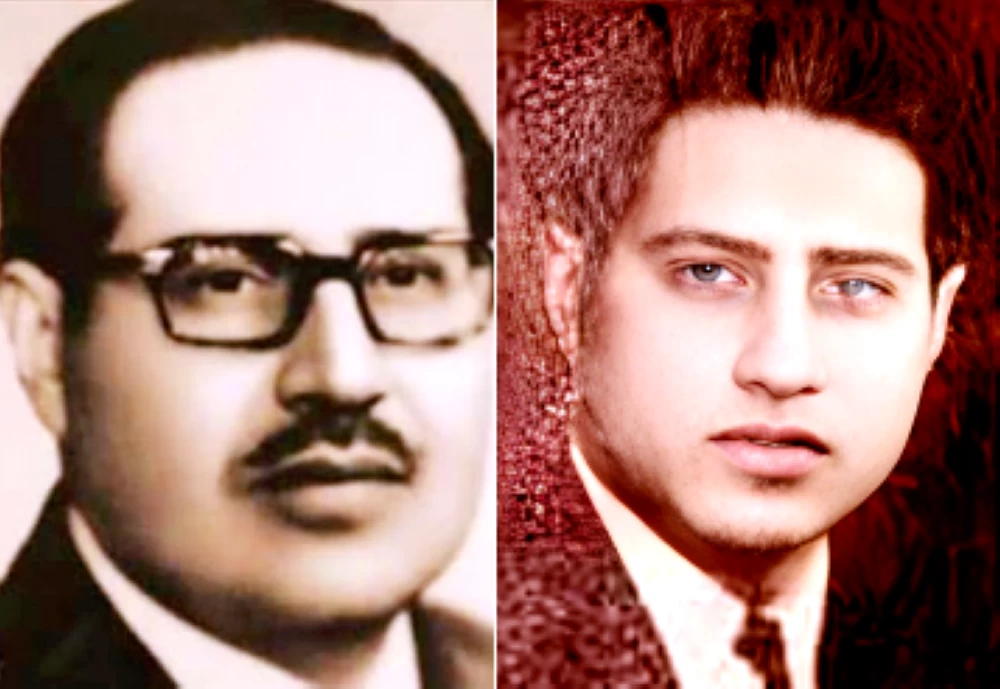
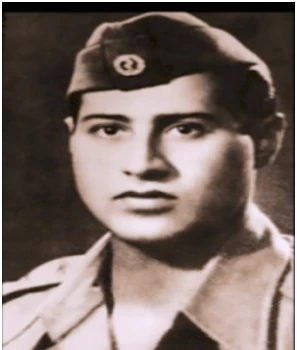
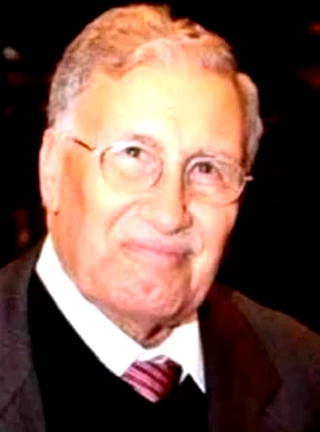
من الأبناء النجباء للزبيريين النجديين الدكتور الطبيب داوود يوسف الفداغ، الذي سنحاول توثيق سيرته هنا، معتمدين على اليسير من المعلومات المتوفرة عنه في الأدبيات والمصادر العراقية وغير العراقية.
لكن قبل ذلك دعونا نتحدث عن عائلة الفداغ، التي ينتمي إليها المترجم له. تقول المصادر التي اطلعت عليها إن الموطن الأصلي لآل الفداغ هو بلدتا «الغاط» و«حرمة» في إقليم سدير بنجد، حيث برزوا في إمامة المصلين والتعليم في الكتاتيب وكتابة الوثائق الشرعية والتاريخية. ومن أشهر من برز منهم في كتابة الوثائق: عبدالله حسين الفداغ، وعتيق سليمان الفداغ، وإبراهيم بن سليمان بن فداغ. وذكرت المصادر أيضاً أنهم يختلفون في نسبهم عن عائلة «الفداغي» التي تنحدر من بطن سنجارة من شمر، وأن فرعاً من آل الفداغ نزح في العام 1779 للميلاد إلى مدينة البصرة ومنها إلى الزبير، وأن قسماً من هؤلاء انتقل لاحقاً إلى الكويت، حيث اقترن اسمه بتاريخ الكويت القديم، بدليل وجود اسم «الفداغ» على بوابات سور الكويت الأول الذي شيد في سنة 1798.
اشتهر آل الفداغ في الزبير والكويت بالتجارة الواسعة التي امتدت إلى بلاد الهند والبنغال، وبرز منهم تاجر نجد والزبير والكويت في مطلع القرن الـ19 «حمد سلطان الفداغ»، ومنهم أيضاً «ثريا ناصر الفداغ» زوجة أمير الزبير قاسم الزهير، والتاجر الكويتي المنحدر من عنيزة عبدالله الفداغ، الذي استوطن مدينة كلكتا زمن الهند البريطانية، والذي اشترى في العام 1799 جزيرة في شط العرب ووقفها على ذريته. وبسبب شطارتهم وعملهم في التجارة بلغوا مراتب متقدمة في الثراء، وعُرفوا بأعمال الخير والإحسان، ولهم وثائق وقفية تاريخية تعود للقرن الـ19، كما أن عائلة الفداغ أسست «جامع حمزة الفداغ» التراثي بالبصرة (قضاء أبي الخصيب) في عام 1890. وقد نشرت صحيفة «الجريدة» الكويتية (23/8/2019) ما يدل على الثراء الذي بلغه آل الفداغ من اشتغالهم بالتجارة، ومدى انخراطهم في أعمال البر والإحسان والخير، وهو وثيقة وقف أبناء التاجر «حمد سلطان الفداغ» الثلاثة (الحاج سلطان والحاج ناصر والحاج عبدالله)، التي كتبها قاضي البصرة في عام 1826م، وشهد عليها 99 شاهداً من وجهاء الزبير والبصرة، منهم نقيب أشراف البصرة والكوفة السيد عبدالرحمن النقيب، ونقيب الأشراف بالبصرة السيد عبدالرحمن النقيب. وتضمنت الوثيقة أوقافاً عديدة من بساتين نخيل (في جزيرة الصالحية، وفي السنيدية، والشطانية، والمصاليخ بمقاطعة السراجي بالبصرة)، ومحلات تجارية (33 دكاناً في سوق الفداغ، ودكاناً في السوق الطويل في الزبير)، فضلاً عن مسكن خاص، وغير ذلك.
وورد ذكر أسرة الفداغ في كتب ودراسات ومطبوعات ومواقع إلكترونية كثيرة في العراق والسعودية والكويت، ومنها كتاب «علماء نجد خلال ثمانية قرون» للشيخ عبدالله بن عبدالرحمن البسام، وكتابا «معجم أسر بريدة» و«معجم أسر عنيزة» للمؤرخ محمد بن ناصر العبودي، ودراسة «أسر الزلفي المتنقلة والمنقرضة» للباحث عبدالعزيز بن سعود الفرهود، وكتاب «النصرة في أخبار البصرة» للقاضي أحمد نور الأنصاري والدكتور يوسف عزالدين.
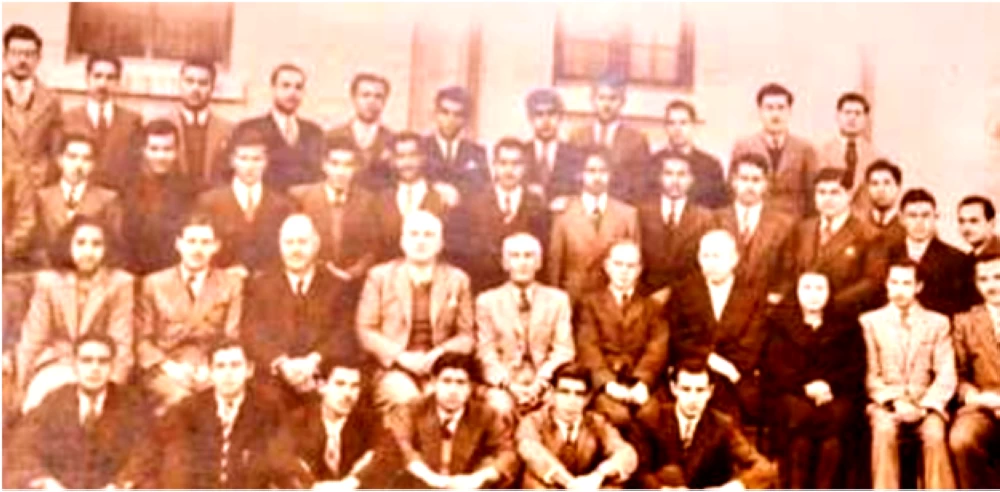
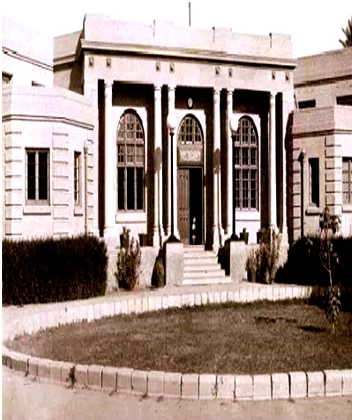
وبالعودة إلى سيرة المترجم له الدكتور داوود بن يوسف الفداغ، نجد أنه ولد في قضاء الزبير عام 1924، وفيه نشأ وأكمل دراسته الابتدائية، قبل أن ينتقل إلى البصرة ليكمل مرحلتي الدراسة المتوسطة والثانوية. وبعد إتمامه المرحلة الثانوية وتخرجه بنجاح، قدم أوراقه إلى الكلية الطبية الملكية العراقية ببغداد (تأسست سنة 1927 على يد نخبة من الأطباء العراقيين والبريطانيين، وكان أول عميد لها هو الدكتور هاري سندرسون)، فتم قبوله، وراح يدرس ويجتهد حتى تخرج في عام 1947 ضمن طلبة الدفعة الخامسة عشرة. كان الرجل يحلم بأن تكون له عيادة يمارس الطب من خلالها، ومرضى يعالجهم ويخفف من آلامهم، إلا أنه قرر تأجيل أحلامه ليمارس دوره الوطني، حيث التحق في عام تخرجه بطبابة الجيش العراقي، ومُنح رتبة ضابط احتياط طبيب، وسافر بتلك الصفة إلى فلسطين للمشاركة في الحرب العربية الإسرائيلية الأولى سنة 1948 إلى جانب قوات بلاده.
بعد هزيمة الجيوش العربية وقيام دولة إسرائيل، عاد الفداغ إلى مسقط رأسه في الزبير وافتتح عيادته الخاصة، وراح يمارس من خلالها الطب العام حتى عام 1952، وهو العام الذي عينته فيه الحكومة طبيباً عاماً بمديرية صحة البصرة، وتبعاً لهذا التعيين اضطر إلى أن ينقل عيادته الخاصة من الزبير إلى البصرة في محلة العزيزية بالعشار. وفي هذه الفترة من حياته عُيّن طبيباً لبعض الوقت بمديرية الموانئ العراقية والسكك الحديدية. وبينما كان يمارس عمله بتفانٍ وإخلاص، وفي أجواء من الأمان النفسي والمعيشي، كانت تلح عليه فكرة مواصلة دراسته للتخصص، وظل كذلك حتى سنة 1956 التي قرر فيها أن يحصل على إجازة دراسية للسفر إلى بريطانيا. وبالفعل تمت الموافقة على منحه الإجازة المطلوبة، وسافر إلى لندن للتخصص في طب الأطفال، وهو تخصص كان يتلاءم مع طبيعته الودودة من جهة، ومع حبه للتحدي الذي تشكله دراسة طب الأطفال من جهة أخرى؛ إذ إن طب الأطفال من التخصصات الدقيقة والمليئة بالتحديات على المستويين النفسي والمهني، كونه يتعامل مع الرضع والصغار ممن لا يستطيعون وصف أعراضهم أو مكان آلامهم، مما يضع الطبيب أمام تحدي التشخيص الصامت، كما أن طبيب الأطفال يواجه صعوبة تركيب الإبر والمحاليل الوريدية بسبب حركة الأطفال المستمرة وخوفهم المفرط.
طبيب في زمن التحولات
نجح الفداغ في جميع امتحاناته بفضل الله ثم بفضل اجتهاده ومثابرته، وحصل على شهادة الدبلوم العالي في طب وصحة الطفل من جامعة لندن في عام 1958، وهو نفس العام الذي عاد فيه إلى العراق ليجده عراقاً مختلفاً عن العراق الذي عرفه ونشأ في ظله.. كان الجيش قد أطاح بالملكية وأعلن الجمهورية، وكانت هناك حملة تطهير وتصفيات دموية، لكن الفداغ كان بعيداً عن لوثة السياسة فلم يطله أي مكروه، حيث عاد للعمل بمديرية صحة البصرة وفي مستشفى البصرة الذي كان قد تغير اسمه إلى «مستشفى البصرة الجمهوري»، شأنه في ذلك شأن معالم كثيرة أُلصقت بها كلمة «الجمهوري». وفي الوقت نفسه واصل عمله في عيادته الخاصة التي حولها إلى عيادة للأطفال بعد أن نال لقب اختصاصي في طب وصحة الأطفال. وظل صاحبنا على هذا الحال، شاهداً على كل التحولات والأزمات السياسية التي عصفت بالعراق، إلى أن بدأت أخطار الحرب العراقية الإيرانية تقترب من البصرة وتهدد حياة أسرته، فقرر في عام 1986 الانتقال معها إلى بغداد، حيث أقام ومارس تخصصه في عيادته الخاصة بمنطقة كرادة مريم مذاك وحتى تاريخ انتقاله إلى جوار ربه في عام 2000، عن عمر ناهز السادسة والسبعين.
عودة إلى موطن الأجداد
وإذا كان صاحبنا، لظروفه الخاصة، لم تتح له فرصة العودة إلى موطن أجداده في نجد، فإن العديد من أقاربه من آل الفداغ عادوا واستعادوا جنسيتهم الأصلية بعد العام 1975، مستفيدين من قرار رسمي صدر بالموافقة على منح النجديين الزبيريين فرصة العودة إلى وطنهم الأم.
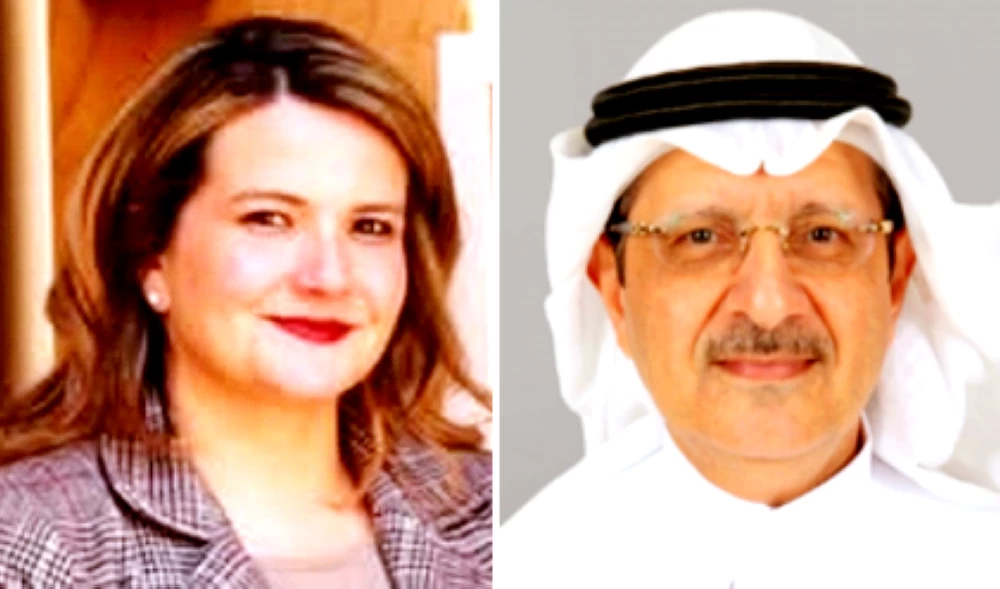
ومن هؤلاء ابنه الدكتور خالد بن داوود بن يوسف الفداغ، الذي يحمل درجة الدكتوراه في الهندسة الميكانيكية التطبيقية من إمبريال كوليدج في لندن، ودرجة الماجستير في الميكانيكا التطبيقية من جامعة مانشستر البريطانية، علاوة على عدد من الشهادات الخاصة بالتنفيذيين من كلية هارفارد لإدارة الأعمال. وقد التحق بشركة أرامكو النفطية، وتولى فيها مناصب قيادية منها: المدير التنفيذي لإدارة التدقيق الداخلي، والمدقق العام، ومدير التخطيط المؤسسي، والرئيس والمدير التنفيذي لشركة بترون في الفلبين، وهي شركة تكرير النفط الوحيدة هناك، وكانت أرامكو تملك فيها آنذاك حصة 40%. كما شغل الفداغ الابن مناصب أخرى، مثل: عضو لجنة المراجعة في شركة سابك، ومنصب الرئيس والشريك المؤسس لشركة «مسك الزاد للتطوير والاستثمار التجاري»، ومنصب الرئيس في لجنة المخاطر بـ«شركة بوبا العربية»، ولجنة المخاطر والامتثال بشركة «أكوا باور»، وعضو لجنة المخاطر بمجلس إدارة صندوق الاستثمارات العامة (PIF)، والمجلس الاستشاري للمعهد السعودي للمدققين الداخليين (IIA)، ومجلس المستشارين في التجمع الصحي الأول بالمنطقة الشرقية، وعضو مجلس إدارة نادي الاتفاق بالدمام.
ومنهم أيضاً السيدة ليلى بنت حسين الفداغ، التي حصلت في عام 2006 على درجة البكالوريوس من جامعة العلوم والفنون في ولاية أوكلاهوما الأمريكية، ثم على درجة الماجستير في الدراسات العالمية من الجامعة نفسها في عام 2009، وعملت في عام 2010 كمقيمة بمركز الملك عبدالعزيز الثقافي العالمي (إثراء) في الظهران، حيث عملت على تطوير أول متحف للأطفال في السعودية وتأسيس «جائزة إثراء للفنون». كان هذا قبل أن تتم ترقيتها في عام 2017 إلى منصب رئيس المتحف والمعارض هناك. وفي يناير 2021 اختيرت لتكون مديراً للمتحف الوطني السعودي.
Researcher Abdulaziz bin Ibrahim Al-Nasser extensively discussed "Al-Zubair" in his book "Al-Zubair... Bright Pages from Its Scientific and Cultural History," referring to the entity established by the Najdi migrants in Iraq. Political, economic, social, and security factors drove many residents of central Arabia to leave their homeland and move to other countries, including Basra in southern Iraq, where they worked in palm orchards. However, the humid climate of Basra, the floods of its rivers, and the instability of its security situation, combined with the differing customs, traditions, and beliefs of some of its people, led these Najdi migrants to relocate and settle in Al-Zubair, located southwest of Basra, approximately 18.6 km away. Perhaps the reason they specifically chose Al-Zubair is that its climate and land characteristics are similar to those of their original homeland, and there are no natural barriers between it and Najd that would complicate their movement between the two regions. Moreover, Al-Zubair is connected by land routes to Najd, Hijaz, Sham, and the Gulf countries, as well as by maritime routes to the Gulf Emirates, India, and Africa through the ports of Khawr Abdullah and Umm Qasr. Additionally, the availability of groundwater and pure soil suitable for agriculture and livestock grazing, along with Al-Zubair's small population and its sacred status due to the presence of shrines of some companions, such as Al-Zubair bin Al-Awwam, Talha bin Ubaydullah, Anas bin Malik, and others, made it an attractive destination.
Over time, the foundations of this Najdi emirate in southern Iraq solidified, its population grew, including people from Sudair, Al-Washm, Al-Zulfi, Al-Qassim, and Al-Arid, and its economic and commercial conditions flourished. It became a center for a notable scientific, cultural, and educational movement and a hub for commercial and postal caravans and customs offices.
Trade was the most prominent element in the prosperity of Al-Zubair, as it established trade relations with many countries, sending commercial caravans to various parts of Iraq, Sham, and Turkey, and operating commercial ships to India, Aden, and Zanzibar, while simultaneously receiving trade caravans from Najd and Hijaz. For instance, Abdul Razzaq Abdul Mohsen Al-San'a and Abdulaziz Omar Al-Ali mentioned in their book "Emirate of Al-Zubair Between Two Migrations" that Farraj Al-Juwaisir, a member of an old Najdi family that settled in Al-Zubair, arrived from Najd leading a commercial caravan consisting of two hundred camels. Meanwhile, Abdulaziz Abdul Ghani Ibrahim noted in his book "Najdis Beyond Borders": "The beginning of intensive Najdi settlement in Al-Zubair coincided with the establishment of the old Saudi state and the flourishing of British commercial activity in the Gulf. The people of Al-Zubair, especially the 'Aqaylat, contributed to this activity with skill and efficiency; caravans of the 'Aqaylat would leave Al-Zubair carrying goods from India and its perfumes and spices, as well as crops from Iraq to the ports of Sham, and return carrying European goods and products from Sham to the land of the two rivers, bringing great wealth to those lands, which grew and prospered until they were referred to as Little Sham." Abdul Ghani added that due to this prosperity, "Al-Zubair became larger and more populous than neighboring Kuwait, and it rivaled Basra, which had diminished in stature due to the calamities brought upon it by the plague and then the Persian wars. Al-Zubair was one of the tributaries that nourished Basra with men until it was rebuilt."
Amid these developments, prominent Najdi names emerged in Al-Zubair across various fields of life. While Iraq took pride in them, their original homelands also took pride, especially after the sons and descendants of these individuals decided to return to their ancestors' lands in Najd due to the unfortunate political, economic, living, and security conditions in Iraq.
Among the distinguished sons of the Najdi Al-Zubairis is Dr. Dawood Yusuf Al-Fadag, whose biography we will attempt to document here, relying on the limited information available about him in Iraqi and non-Iraqi literature and sources.
But before that, let us talk about the Al-Fadag family, to which the subject belongs. The sources I reviewed indicate that the original homeland of the Al-Fadag family is the towns of "Al-Ghat" and "Hurmah" in the Sudair region of Najd, where they emerged in leading prayers, teaching in elementary schools, and writing legal and historical documents. Among the most notable figures in document writing were Abdullah Hussein Al-Fadag, Atiq Suleiman Al-Fadag, and Ibrahim bin Suleiman bin Fadag. The sources also mentioned that they differ in lineage from the "Al-Fadagi" family, which descends from the Sanjarah branch of Shammar, and that a branch of the Al-Fadag family migrated in 1779 AD to the city of Basra and then to Al-Zubair, with some of them later moving to Kuwait, where their name became associated with Kuwait's ancient history, evidenced by the presence of the name "Al-Fadag" on the gates of the first wall of Kuwait, which was built in 1798.
The Al-Fadag family became well-known in Al-Zubair and Kuwait for their extensive trade that extended to India and Bengal. Among them was the Najdi, Al-Zubairi, and Kuwaiti merchant at the beginning of the 19th century, "Hamid Sultan Al-Fadag," as well as "Thuraya Nasser Al-Fadag," the wife of the Emir of Al-Zubair, Qasim Al-Zuhair, and the Kuwaiti merchant from Unayzah, Abdullah Al-Fadag, who settled in Calcutta during British India and purchased an island in the Shatt al-Arab in 1799, dedicating it to his descendants. Due to their shrewdness and work in trade, they reached advanced levels of wealth and were known for their charitable works and philanthropy. They have historical endowment documents dating back to the 19th century, and the Al-Fadag family established the "Hamza Al-Fadag Heritage Mosque" in Basra (in the Abu Khaseeb district) in 1890. The Kuwaiti newspaper "Al-Jarida" (23/8/2019) published evidence of the wealth attained by the Al-Fadag family from their trade and their involvement in charitable and philanthropic works, which is a document of endowment by the three sons of the merchant "Hamid Sultan Al-Fadag" (Haj Sultan, Haj Nasser, and Haj Abdullah), written by the judge of Basra in 1826, and witnessed by 99 witnesses from the dignitaries of Al-Zubair and Basra, including the chief of the Sharifs of Basra and Kufa, Mr. Abdul Rahman Al-Naqib, and the chief of the Sharifs in Basra, Mr. Abdul Rahman Al-Naqib. The document included numerous endowments of palm orchards (in the island of Al-Salihiyah, in Al-Sunidiyah, Al-Shataniyah, and Al-Masalikh in the Saraji district of Basra), commercial shops (33 stores in the Al-Fadag market, and a shop in the long market in Al-Zubair), in addition to a private residence, and more.
The Al-Fadag family has been mentioned in many books, studies, publications, and websites in Iraq, Saudi Arabia, and Kuwait, including the book "Scholars of Najd Over Eight Centuries" by Sheikh Abdullah bin Abdul Rahman Al-Bassam, the books "Dictionary of Families of Buraidah" and "Dictionary of Families of Unayzah" by historian Muhammad bin Nasser Al-Aboudi, the study "The Mobile and Extinct Families of Al-Zulfi" by researcher Abdulaziz bin Saud Al-Farhud, and the book "Al-Nasrah in the News of Basra" by Judge Ahmad Nour Al-Ansari and Dr. Yusuf Az-Zain.
Returning to the biography of the subject, Dr. Dawood bin Yusuf Al-Fadag, we find that he was born in the Al-Zubair district in 1924, where he grew up and completed his primary education before moving to Basra to finish his intermediate and secondary studies. After completing his secondary education and graduating successfully, he submitted his papers to the Royal Medical College in Baghdad (established in 1927 by a group of Iraqi and British doctors, with Dr. Harry Sanderson as its first dean), where he was accepted and studied diligently until he graduated in 1947 as part of the fifteenth batch of students. The man dreamed of having a clinic through which he could practice medicine and treat patients, alleviating their pain. However, he decided to postpone his dreams to fulfill his national duty, joining the Iraqi army's medical corps in the year of his graduation, and was granted the rank of reserve officer physician, traveling in that capacity to Palestine to participate in the first Arab-Israeli war in 1948 alongside his country's forces.
After the defeat of the Arab armies and the establishment of the State of Israel, Al-Fadag returned to his birthplace in Al-Zubair and opened his private clinic, practicing general medicine until 1952, the year the government appointed him as a general physician in the Basra Health Directorate. Following this appointment, he had to move his private clinic from Al-Zubair to Basra in the Al-Aziziyah neighborhood of Al-Ashar. During this period of his life, he was appointed as a physician for a while at the Iraqi Ports and Railways Directorate. While he dedicated himself to his work in an atmosphere of psychological and living security, the idea of continuing his studies for specialization persisted in his mind until 1956, when he decided to obtain a study leave to travel to Britain. Indeed, he was granted the required leave and traveled to London to specialize in pediatrics, a specialty that suited his friendly nature on one hand and his love for the challenges posed by studying pediatrics on the other; as pediatrics is a delicate specialty filled with challenges on both psychological and professional levels, dealing with infants and young children who cannot describe their symptoms or the location of their pain, placing the physician before the challenge of silent diagnosis. Additionally, pediatricians face difficulties in administering injections and intravenous solutions due to the constant movement of children and their excessive fear.
A Physician in Times of Transformation
Al-Fadag succeeded in all his exams thanks to God and his diligence and perseverance, obtaining a higher diploma in Child Health and Medicine from the University of London in 1958, the same year he returned to Iraq to find it a different Iraq from the one he had known and grown up in. The army had overthrown the monarchy and declared a republic, and there was a campaign of purges and bloody eliminations. However, Al-Fadag was far from the taint of politics and was not harmed, as he returned to work at the Basra Health Directorate and at Basra Hospital, which had changed its name to "Basra Republican Hospital," like many other landmarks that had been affixed with the term "Republican." At the same time, he continued his work in his private clinic, which he transformed into a children's clinic after earning the title of specialist in Child Health and Medicine. Our subject remained in this state, witnessing all the political transformations and crises that swept Iraq, until the dangers of the Iran-Iraq war began to approach Basra and threaten his family's life. In 1986, he decided to move with them to Baghdad, where he settled and practiced his specialty in his private clinic in the Karada Maryam area until his passing in 2000 at the age of nearly seventy-six.
Return to the Ancestral Homeland
While our subject, due to his personal circumstances, did not have the opportunity to return to his ancestral homeland in Najd, many of his relatives from the Al-Fadag family returned and regained their original nationality after 1975, benefiting from an official decision that approved granting Najdi Al-Zubairis the opportunity to return to their motherland.
Among them is his son, Dr. Khalid bin Dawood bin Yusuf Al-Fadag, who holds a PhD in Applied Mechanical Engineering from Imperial College London and a Master's degree in Applied Mechanics from the University of Manchester, in addition to several executive certificates from Harvard Business School. He joined the Saudi Aramco oil company, where he held several leadership positions, including: Executive Director of Internal Audit, General Auditor, Director of Corporate Planning, and President and CEO of Petron in the Philippines, the only oil refining company there, in which Aramco held a 40% stake at that time. Al-Fadag's son also held other positions, such as: Member of the Audit Committee at SABIC, President and Co-Founder of "Misk Al-Zad for Development and Commercial Investment," President of the Risk Committee at "Bupa Arabia," and the Risk and Compliance Committee at "ACWA Power," as well as a member of the Risk Committee on the Board of Directors of the Public Investment Fund (PIF), the Advisory Council of the Saudi Institute of Internal Auditors (IIA), the Advisory Council of the First Health Assembly in the Eastern Province, and a member of the Board of Directors of Al-Ettifaq Club in Dammam.
Also among them is Mrs. Leila bint Hussein Al-Fadag, who obtained her Bachelor's degree from the University of Science and Arts in Oklahoma, USA, in 2006, followed by a Master's degree in Global Studies from the same university in 2009. In 2010, she worked as an evaluator at the King Abdulaziz Cultural Center (Ithra) in Dhahran, where she developed the first children's museum in Saudi Arabia and established the "Ithra Arts Prize." This was before she was promoted in 2017 to the position of Director of the Museum and Exhibitions there. In January 2021, she was selected to be the Director of the Saudi National Museum.