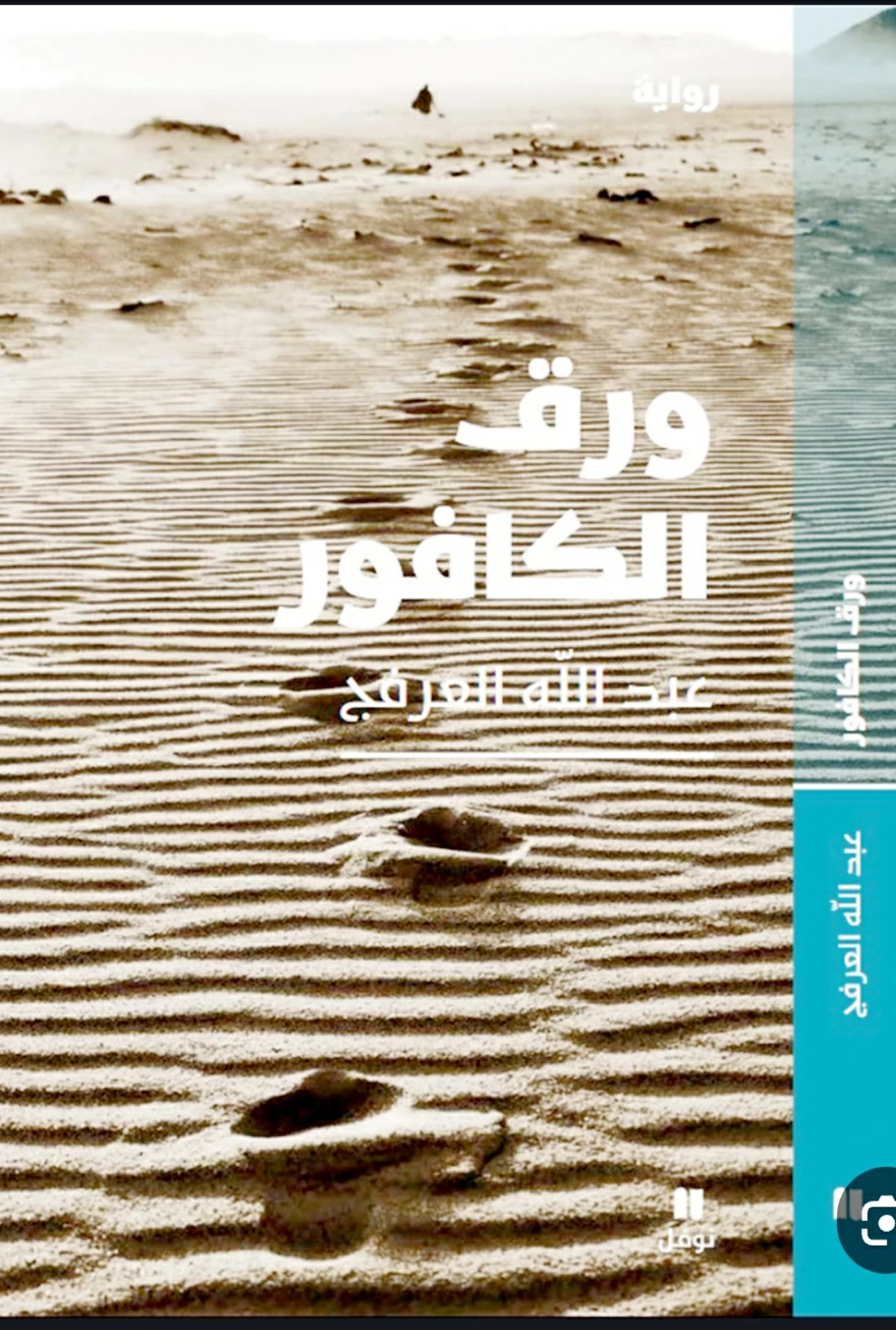
تنهض رواية «ورق الكافور» لعبدالله العرفج على حكاية تبدو في ظاهرها سيرة رجل طموح خرج من بريدة في زمن كانت فيه الحياة تمضي بإيقاع مختلف، قبل النفط والطفرة، حين كان السفر بحثًا عن الرزق جزءًا من التجربة الاجتماعية لأبناء نجد والقصيم. غير أن الرواية تتجاوز حدود السيرة الفردية لتصنع من رحلة (سيل)، الشخصية الرئيسة، فضاءً سرديًّا تتقاطع فيه تحوّلات المجتمع مع نزعات الإنسان، وتتجاور فيه الذاكرة مع الغياب، والحب مع الطمع، والوفاء مع الخيانة.
تتشكّل الحكاية حول سيل، الشاب المكافح الذي يتزوج الفتاة التي أحبها، وهي ابنة جاره، ثم يغادر بريدة إلى الكويت مع تسعة من أبناء بلدته طلبًا للرزق. هناك تنفتح أمامه أبواب تجربة جديدة، فيعمل سائقًا لدى تاجر، ثم تقوده حركة الترحال إلى الهند، حيث يتحوّل من طالب رزق إلى تاجر ذي ثراء واسع. تكتسب الرحلة قيمتها السردية من كونها رحلة في المكان والذات معًا؛ فكل انتقال جغرافي يعيد تشكيل شخصية سيل، ويمنحه خبرة جديدة، ويضعه في مواجهة منظومات اجتماعية وثقافية مختلفة.
وتبرز المشهدية الوصفية بوصفها إحدى التقنيات اللافتة في الرواية؛ فالمكان لا يأتي إطارًا صامتًا للأحداث، وإنما يتحوّل إلى عنصر فاعل في إنتاج المعنى. بريدة القديمة، والكويت، والهند، والأسفار وما يرافقها من تفاصيل الحياة اليومية، تمنح السرد كثافته الحسية والتاريخية. ويستفيد الكاتب من التفاصيل الصغيرة في بناء المشهد، بحيث يشعر القارئ أنه أمام ذاكرة اجتماعية تستعيد ملامح زمن كامل، وتستحضر عاداته وطرائق عيشه وعلاقاته الاقتصادية والإنسانية.
ومن هنا يتنامى الخطاب التاريخي والاجتماعي داخل الرواية، فحكاية سيل تستدعي مرحلة سبقت التحوّل النفطي الكبير، حين كان السفر إلى الكويت والهند وغيرها من المنافذ الاقتصادية طريقًا مألوفًا أمام أبناء نجد والقصيم، ويمنح هذا البعد الرواية وظيفة تتجاوز الحكاية الشخصية؛ إذ تصبح حياة الفرد مرآةً لتحولات الجماعة، ويغدو السفر وثيقةً اجتماعيةً تكشف طبيعة الاقتصاد، وأنماط العلاقات، ومفهوم الأسرة، ومكانة المال في الوعي الجمعي.
ويكتسب الغياب في الرواية وظيفةً بنائيةً عميقةً، فسنوات ابتعاد سيل عن أهله، مع استمرار إرسال الأموال إليهم، تصنع مفارقة بين الحضور المادي والغياب الجسدي. المال يصل، وصاحبه يغيب؛ ومن هذه المسافة يتولّد المجال الذي تنمو فيه الشائعة، وتتسلل فيه الأطماع، ويتحوّل الغياب إلى فرصة لإعادة ترتيب حياة الآخرين وفق مصالحهم. وحين يعود سيل، يجد أن الزمن الذي تركه وراءه قد أعاد كتابة مصائر الشخصيات من دونه.
وتتجلّى هنا تقنية الكشف عن نزعات الشخصيات؛ إذ لا تتأسس الشخصيات على أفعالها الخارجية وحدها، وإنما تكشف الأحداث دواخلها وما يختبئ وراء سلوكها من رغبات ومصالح ومخاوف. شائعة وفاة سيل، والزواج من زوجته، والاستيلاء على أمواله، تضع الشخصيات أمام اختبار أخلاقي يكشف علاقتها بالمال والوفاء والسلطة والرغبة. وتتحوّل العودة إلى معضلة مركبة: إثبات الحياة، واستعادة الزوجة، واسترداد المال، وإعادة تثبيت الذات داخل مجتمع تغيّر أثناء غيابه.
أما «ورق الكافور» فيحمل قيمة رمزية تتجاوز حضوره المادي في الحكاية، حيث ارتبط الكافور في المخيال العربي بمعاني التهدئة والتعطير والتطهير، وتستثمر الرواية دلالته في الإيحاء بمحاولة كبح الغريزة وصيانة العفة أمام غواية الجسد. وهكذا يصبح الرمز جزءًا من البنية الأخلاقية للنص، ويمنح الصراع الإنساني طبقة داخلية تتصل برغبة الإنسان في ضبط نزواته، ومقاومة اندفاعاته، والاحتفاظ بقدر من الطُّهر وسط اختبارات الحياة.
وتقوم الرواية في جوهرها على مفارقة سردية مؤثرة: الرجل الذي غاب سنوات ليصنع مستقبله يعود ليكتشف أن غيابه صنع له خصومًا داخل ماضيه نفسه، ومن هذه المفارقة تتولد قوة الحكاية.
السفر الذي بدأ بوصفه بحثًا عن الرزق يتحوّل إلى امتحان للهُوية، والثراء الذي كان ثمرة للكفاح يصبح سببًا للصراع، والعودة التي يفترض أن تكون خاتمة الرحلة تفتح أمام سيل رحلة أخرى أشد قسوة: رحلة استعادة حياته.
بهذا تتضافر المشهدية، والخطاب التاريخي والاجتماعي، والرمز، وكشف النزعات النفسية، وبنية الغياب والعودة، لتمنح الرواية طاقتها السردية. إنها رواية تستعيد زمنًا اجتماعيًا عبر مصير فرد، وتجعل من حكاية سيل مساحة للتأمل في الإنسان حين يواجه المال، والغياب، والرغبة، والذاكرة، والخيانة؛ وهي عناصر تمنح الحكاية بُعدها الإنساني الأوسع، وتجعل الماضي حاضرًا في الوعي بوصفه سؤالًا عن القيم التي تصمد حين تتغيّر الأمكنة والأزمنة.
The novel "Camphor Paper" by Abdullah Al-Arfaj is based on a story that appears, on the surface, to be the biography of an ambitious man who leaves Buraidah at a time when life was moving at a different pace, before oil and the boom, when traveling in search of livelihood was part of the social experience of the people of Najd and Al-Qassim. However, the novel transcends the limits of individual biography to create from the journey of (Sail), the main character, a narrative space where societal transformations intersect with human tendencies, where memory coexists with absence, love with greed, and loyalty with betrayal.
The story revolves around Sail, the struggling young man who marries the girl he loves, the daughter of his neighbor, and then leaves Buraidah for Kuwait with nine other men from his town in search of livelihood. There, new experiences open up before him; he works as a driver for a merchant, and then his journey leads him to India, where he transforms from a seeker of sustenance into a wealthy trader. The journey gains its narrative value from being a journey in both place and self; every geographical transition reshapes Sail's character, grants him new experiences, and places him in confrontation with different social and cultural systems.
The descriptive scene stands out as one of the striking techniques in the novel; the place does not serve as a silent frame for the events but transforms into an active element in producing meaning. Old Buraidah, Kuwait, India, and the travels accompanied by the details of daily life provide the narrative with its sensory and historical density. The writer benefits from small details in building the scene, making the reader feel as though they are in front of a social memory that recalls the features of an entire era, evoking its customs, ways of living, and economic and human relationships.
From here, the historical and social discourse within the novel grows; Sail's story evokes a period before the great oil transformation, when traveling to Kuwait, India, and other economic outlets was a familiar path for the people of Najd and Al-Qassim. This dimension gives the novel a function that transcends the personal story; the life of the individual becomes a mirror reflecting the transformations of the community, and travel becomes a social document revealing the nature of the economy, patterns of relationships, the concept of family, and the status of money in collective consciousness.
Absence in the novel acquires a deep structural function; the years of Sail's separation from his family, while continuing to send them money, create a paradox between material presence and physical absence. The money arrives, while its owner is absent; from this distance, the space arises where rumors grow, ambitions creep in, and absence becomes an opportunity to rearrange the lives of others according to their interests. When Sail returns, he finds that the time he left behind has rewritten the fates of the characters in his absence.
Here, the technique of revealing character tendencies is manifested; the characters are not established solely on their external actions but reveal their inner selves and what lies behind their behavior in terms of desires, interests, and fears. The rumor of Sail's death, the marriage to his wife, and the seizure of his money place the characters before a moral test that reveals their relationship with money, loyalty, power, and desire. The return transforms into a complex dilemma: proving his life, reclaiming his wife, recovering his money, and reestablishing his identity within a society that has changed during his absence.
As for "Camphor Paper," it carries a symbolic value that transcends its material presence in the story, as camphor in the Arab imagination is associated with meanings of soothing, perfuming, and purifying. The novel invests its connotation in suggesting an attempt to curb instinct and preserve chastity in the face of bodily temptation. Thus, the symbol becomes part of the ethical structure of the text, granting the human conflict an internal layer connected to the human desire to control impulses, resist urges, and maintain a degree of purity amid life's tests.
At its core, the novel is based on a poignant narrative paradox: the man who was absent for years to build his future returns to discover that his absence has created enemies within his own past, and from this paradox, the strength of the story is born.
The journey that began as a search for livelihood transforms into a test of identity, the wealth that was the fruit of struggle becomes a cause for conflict, and the return that should mark the end of the journey opens before Sail another, harsher journey: the journey of reclaiming his life.
Thus, the scene, historical and social discourse, symbolism, revelation of psychological tendencies, and the structure of absence and return converge to give the novel its narrative energy. It is a novel that recaptures a social time through the fate of an individual, making Sail's story a space for contemplation on humanity when faced with money, absence, desire, memory, and betrayal; elements that grant the story its broader human dimension and make the past present in consciousness as a question about the values that endure when places and times change.