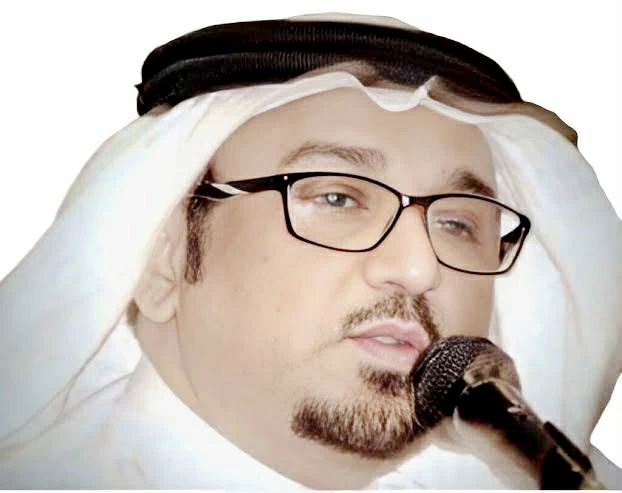
بعض الناس يكبرون وبعضهم لا يفعلون ذلك تمامًا تمرّ السنون على وجوههم وذاكرتهم.. لكن طفلًا يظل حيًّا في الداخل كأن العمر نسيه هناك.
وعلي مكي من أولئك الذين نسيهم الزمن عرف الصحافة والناس وجلس إلى الكبار وحاور الشعراء والمثقفين ورأى من الحياة ما كان يمكن أن يجعله حذرًا وثقيلًا وقليل الدهشة، لكنه ظل ذلك الصبي الذي يمدّ يده إلى الدنيا كل صباح كأنها لم تخذله بالأمس.
إذا أحبّ أحبَّ بقلبه كله، وإذا فرح دخل الفرح عليه من كل النوافذ، وإذا غضب اشتعل كطفل سُلبت منه لعبته ثم ينسي سريعًا سبب غضبه.
أما ضحكته فبيضاء عفوية صافية تخرج منه كالماء من عين جبل كأنها الجزء الذي لم تستطع الصحافة أن تلوّثه بالحذر.
تعلّم من الصحافة السؤال لكنه نجا من الشك وظلّ يصدّق الناس أكثر مما ينبغي ويمنحهم من قلبه أكثر مما يستحق بعضهم.
يُخذل فيحزن لكنه لا يتعلّم القسوة وهذه أجمل هزائمه.
حتى جسده حين يتعب يتعامل معه بخفة الطفل. يرسل المرض إنذاره فيحسبه تعبًا عابرًا ويمضي.
هكذا مرّت عليه جلطة دماغية من دون أن يشعر بثقلها وكأن الجسد وحده كان يعرف ما حدث بينما ظلّ الطفل في داخله يظنّها وعكة صغيرة.
وحين داهمته أزمة قلبية قابلها بضحكته البيضاء كأن قلبه المتعب يرفض أن يتخلّى عن فرحه وكأن الحياة رغم قسوتها ما زالت تستحق أن تُعاش وأن يُضحك لها.
في ذلك مفارقة مؤلمة وجميلة أن يكون القلب مريضًا وصاحبه ممتلئًا بالحياة وأن تقول الأجهزة شيئًا ويقول وجهه شيئًا آخر.
لكن الجسد أحيانًا أكثر حكمة منا يهمس قبل أن يصرخ، ولعل أصحاب القلوب الطفلة يحتاجون إلى من يذكّرهم بأنه ليس كل تعب عابر ولا كل ألم يستحق أن نضحك عليه، فالذين يحبون عليًّا يريدون لضحكته أن تبقى طويلًا
وفيه من الأطفال دهشتهم وما الصحفي في أصله إلا طفل كبر ولم يتوقف عن السؤال لماذا وكيف وماذا حدث بعد ذلك.
ظلّ عليٌّ واقفًا بين الاثنين طفلًا يحمل سؤال الصحفي وصحفيًّا يحمل دهشة الطفل، ولذلك لم تكن الأسماء الكبيرة ترعبه، كان يرى خلف الألقاب إنسانًا يمكن أن يُسأل ويُحاور وربما كانت هذه البراءة سرًّا من أسرار جرأته.
فيه أيضًا شيء من الجنوب لا يغادره.
القرية الأولى والبيوت المفتوحة والقلوب الواسعة والضحكة التي لا تحتاج إلى مناسبة.
حمل قريته معه إلى الصحافة والمدن وطاولات الحوار، فالطفل يعرف طريق البيت دائمًا.
حين أفكر في علي مكي أراه طفلًا يركض وقد تساقط من جيبه الكثير من السنوات والوجوه والصداقات والخيبات والأسفار، لا يتوقف ليلتقطها، بل يمضي إلى الأمام
في صدره قلبٌ أتعبته الحياة والمرض لكنه يظلّ مصرًّا على أن يخفق بطريقته.. قلب قد تربكه الشرايين ولا تربكه المحبة.
نحن نكبر حين نتعلم ألّا نثق ونخفي دموعنا ونحسب مقدار الحب والضحك والكلمات وعلي مكي لم يتقن هذا النوع من الكِبَر.
عرف العالم لكنه لم يسمح لقسوته أن تسكنه ورأى الخديعة ولم يصبح مخادعًا وخُذل ولم يتعلّم الخذلان
ذلك هو علي مكي..
طفلٌ كبير..
رجل مرّت الأمراض بقلبه ودماغه ومرّت الخيبات بروحه، لكن طفلًا ظلّ عصيًّا على الزمن، وكلما طرق العمر بابه أنصت قليلًا ثم عاد إلى الحياة بضحكته البيضاء ليظل علي مكي طفلًا كبيرًا.
Some people grow older while others do not; the years pass over their faces and memories... but a child remains alive inside them as if time has forgotten him there.
Ali Maki is one of those whom time has forgotten. He knew journalism and people, sat with the elders, conversed with poets and intellectuals, and saw in life what could have made him cautious, heavy, and less amazed, yet he remained that boy who reaches out to the world every morning as if it had not let him down yesterday.
If he loves, he loves with all his heart, and if he is happy, joy enters him from every window, and if he gets angry, he ignites like a child who has had his toy taken away, only to quickly forget the reason for his anger.
As for his laughter, it is pure, spontaneous, and white, flowing from him like water from a mountain spring, as if it were the part that journalism could not taint with caution.
He learned to ask questions from journalism, but he escaped doubt and continued to believe in people more than he should and gave them from his heart more than some deserved.
He gets disappointed and sad, but he does not learn cruelty, and that is his most beautiful defeat.
Even his body, when tired, he treats lightly like a child. When illness sends its warning, he considers it a passing fatigue and moves on.
Thus, a stroke passed over him without him feeling its weight, as if only the body knew what had happened while the child inside him thought it was just a small ailment.
And when a heart attack struck him, he faced it with his white laughter, as if his weary heart refused to let go of its joy, as if life, despite its harshness, still deserved to be lived and laughed at.
In that, there is a painful yet beautiful paradox: the heart is sick while its owner is full of life, and the machines say one thing while his face says another.
But sometimes the body is wiser than us; it whispers before it screams, and perhaps those with childlike hearts need someone to remind them that not every fatigue is fleeting and not every pain deserves to be laughed at, for those who love Ali want his laughter to last long.
In him, there is a childlike wonder, and what is a journalist at his core but a child who grew up and never stopped asking why, how, and what happened next.
Ali stood between the two: a child carrying the journalist's question and a journalist carrying the child's wonder, which is why big names did not intimidate him; he saw behind the titles a person who could be asked and conversed with, and perhaps this innocence was a secret to his courage.
He also carries something of the south that never leaves him.
The first village, the open houses, the wide hearts, and laughter that needs no occasion.
He carried his village with him to journalism, cities, and dialogue tables, for the child always knows the way home.
When I think of Ali Maki, I see him as a child running, with many years, faces, friendships, disappointments, and travels having fallen from his pocket; he does not stop to pick them up but moves forward.
In his chest beats a heart tired by life and illness, yet he insists on beating in his own way... a heart that may be troubled by arteries but not by love.
We grow up when we learn not to trust, to hide our tears, and to measure the amount of love, laughter, and words, and Ali Maki did not master this kind of growing up.
He knew the world but did not allow its harshness to reside within him; he saw deception but did not become deceitful, and he was let down but did not learn disappointment.
That is Ali Maki...
A big child...
A man through whom illnesses passed in his heart and brain, and disappointments passed through his soul, yet a child remained resistant to time, and whenever age knocked on his door, he listened for a moment and then returned to life with his white laughter, allowing Ali Maki to remain a big child.