حكمت أسرة الصباح الكريمة، التي تعود جذورها إلى العتوب من قبيلة عنزة العربية، الكويت منذ عام 1752، حينما تقلد الشيخ صباح الأول بن جابر الصباح (1700 ــ 1762) الحكم بعد مبايعة شعبية، فكان هو أول من حكم من هذه الأسرة الكريمة. وفي عهد نجله الشيخ مبارك بن صباح المعروف باسم الشيخ مبارك الكبير (1844 ــ 1915)، والذي يوصف في الأدبيات التاريخية بالمؤسس الحقيقي لإمارة الكويت، عقدت الكويت وبريطانيا العظمى تحالفاً حاسماً، حفظ للبلاد استقرارها مذاك وحتى استقلالها الناجز في عام 1961 في عهد الحاكم الحادي عشر الشيخ عبدالله السالم الصباح (1895 ــ 1965)، الذي تولى قيادة الكويت من عام 1950 وحتى وفاته عام 1965.
أنجبت الأسرة للكويت كل حكامها الذين قادوا البلاد عبر محطات تاريخية وسياسية واقتصادية هامة، وخاضوا المعارك التنموية من أجل رفعتها وازدهارها على مدى عقود من الزمن، كما خاضوا المعارك العسكرية والسياسية، في أحلك الفترات والظروف من أجل بقائها وديمومتها وسيادتها.
وكان الحاكم العاشر الشيخ أحمد الجابر الصباح (1885 ــ 1950)، الذي تولى الحكم خلفاً لعمه الشيخ سالم المبارك الصباح في عام 1921 وحتى وفاته في يناير 1950، هو أطول حكام الكويت عهداً، وفي زمنه عقدت معاهدة العقير لسنة 1922، التي رسمت الحدود بين العراق والكويت والمملكة العربية السعودية، وتأسس مجلس الشورى ثم المجلس التشريعي الأول والثاني الذي بدأت معه الخطوات الأولى للحياة الديمقراطية، وتأسست الدوائر الحكومية التي صارت نواة للوزارات لاحقاً، وازدهرت حركة النقل الجوي وتحولت الكويت إلى محطة جوية إقليمية، وبدأت عملية إرسال الطلبة إلى الخارج للتحصيل العلمي الجامعي، واكتشف النفط في عام 1938 وتم البدء بتصديره في عام 1946، فتوسع وامتد العمران وتطورت الخدمات العامة والبنى التحتية وتحقق الازدهار والرخاء الذي واصله وعززه خلفاؤه من بعده. وأنجب الشيخ أحمد الجابر الصباح العديد من الأبناء، من بينهم أربعة تولوا حكم الكويت وصنعوا مجدها، بدءاً بالشيخ جابر الأحمد الجابر، الذي تولى الحكم من 31 ديسمبر 1977 وحتى وفاته في 15 يناير عام 2006، وشهد عهده تحرير البلاد من الغزو العراقي الآثم في عام 1990، وانتهاءً بالأمير الحالي الشيخ مشعل الأحمد الجابر الذي تولى القيادة بدءاً من 16 ديسمبر 2023، ويواصل اليوم عملية التنمية والبناء بخطى حثيثة.
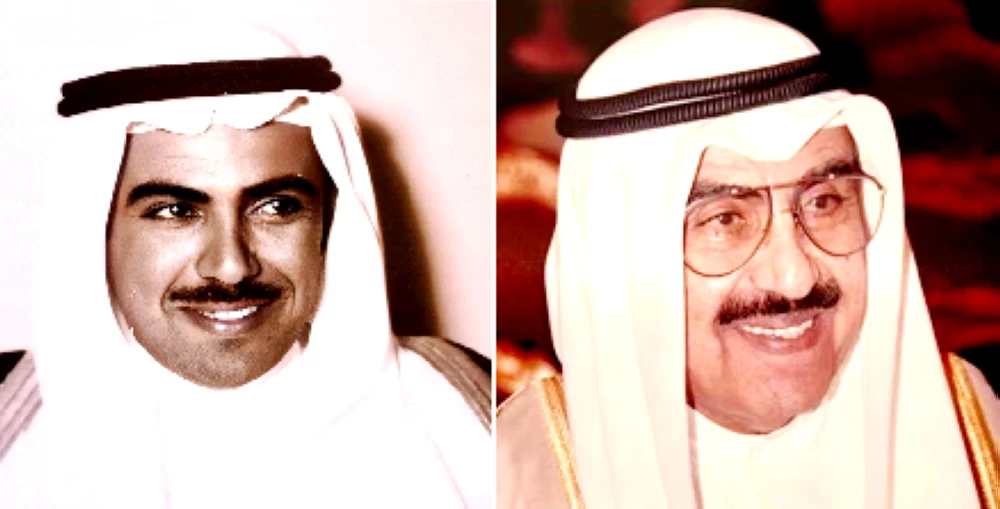
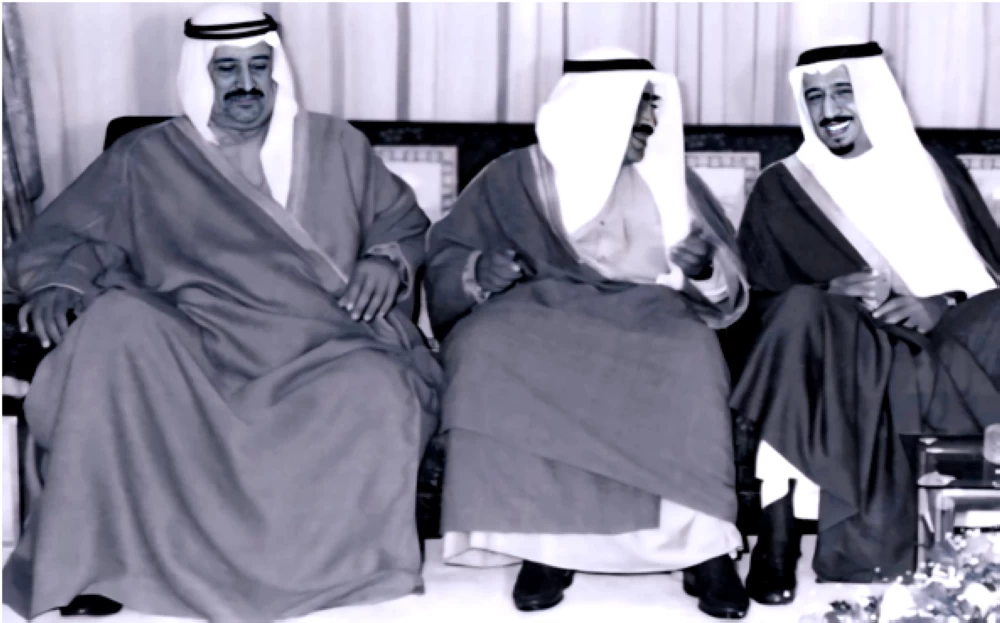
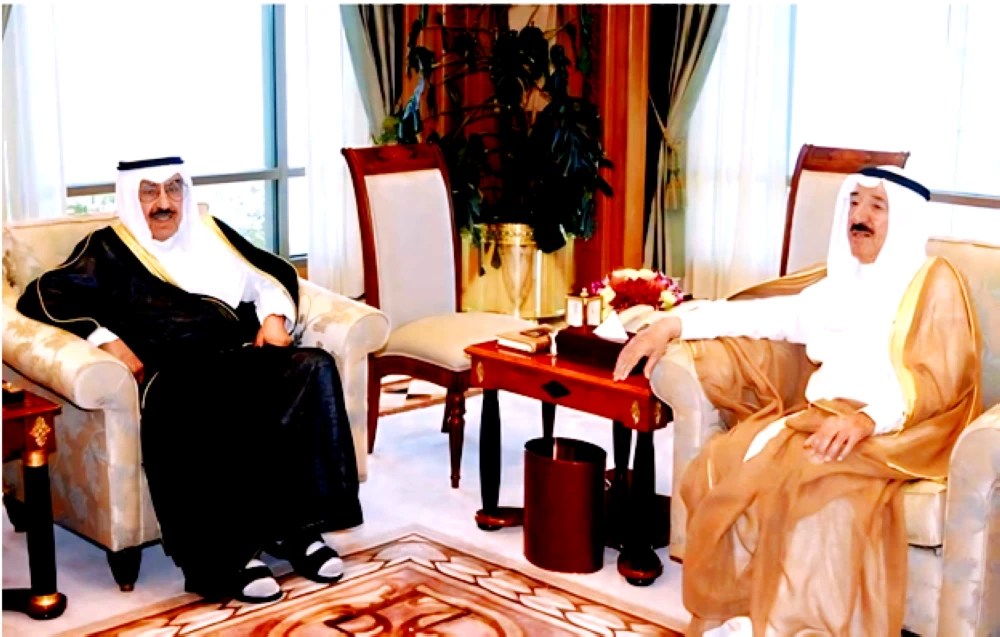
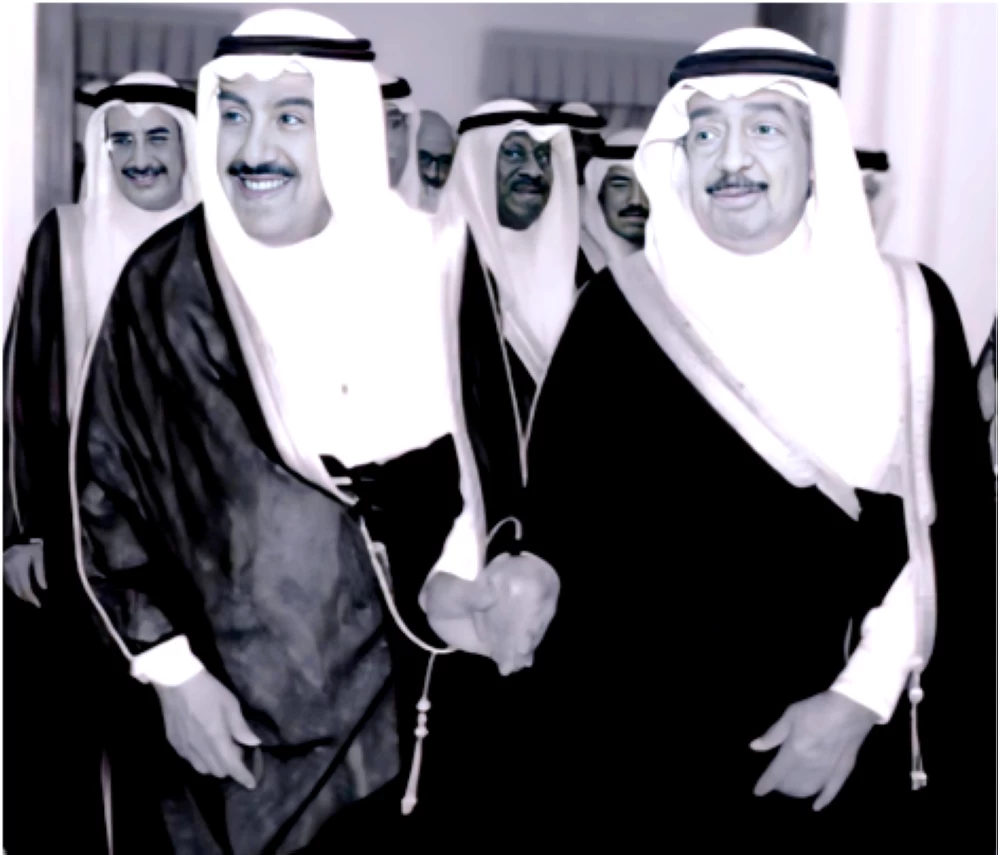
ما سبق كان توطئة للحديث عن رجل من الأسرة الكريمة بمناسبة حلول الذكرى الثالثة لرحيله. ففي الخامس والعشرين من سبتمبر الجاري تحل الذكرى الثالثة لرحيل الشيخ مبارك عبدالله الأحمد الجابر الصباح، رحمه الله، الذي فقدته الكويت عن 93 عاماً في 25 سبتمبر 2023، من بعد حياة حافلة في خدمة وطنه وناسه، شغل خلالها مسؤوليات رسمية في حقبة ما قبل استقلال الكويت وما بعدها حتى منتصف ستينات القرن العشرين، حينما آثر أن يعتزل المناصب الرسمية والعمل السياسي تماماً، لزهده في الأضواء والحقائب الوزارية، لكنه ظل يحظى بمقام رفيع ومكانة سامية داخل بيت الحكم وعند أهل الحل والعقد، وبقي ينال احترام الناس وحبهم أينما حلّ بسبب نزاهته واستقامته وخبرته الطويلة.
ولد الشيخ مبارك، الذي يوصف بالمحنك الحكيم المحب لوطنه وشعبه، ويشار إليه كأحد أركان أسرة آل صباح الحاكمة ومستشارها، في العاصمة الكويت سنة 1930. والده هو الشيخ عبدالله الأحمد الجابر الصباح (1903 ــ 1957)، الابن الأكبر لحاكم الكويت العاشر الشيخ أحمد الجابر من زوجته الأولى السيدة حصة بنت إبراهيم بن محمد الغانم، وعليه فإن المترجم له هو أحد الأحفاد الأوائل للشيخ أحمد الجابر، وابن الأخ الأكبر سناً لأربعة من أمراء الكويت (جابر الأحمد وصباح الأحمد ونواف الأحمد ومشعل الأحمد).
يعد والده الشيخ عبدالله الأحمد واحداً من أهم رجالات الأمن الأوائل في الكويت ممن يتذكره الكويتيون إلى وقتنا الحاضر، لأنه أرسى دعائم الأمن في بلادهم في بدايات نشوء الكويت كدولة بسبب تطبيقه القانون بحزم وعدالة ودون هوادة أو تمييز. إذ إنه تولى منذ عام 1938 مسؤولية شؤون الأسلحة في قصر نايف التاريخي الذي شيد على صهيد نايف سنة 1919 في عهد الشيخ سالم المبارك الصباح، وبسبب مسؤوليته عن السلاح ارتبط اسمه بالأمن العام، خصوصاً بعد أن تولى رئاسة هذا الجهاز الحساس في أربعينات وخمسينات القرن الماضي قبل أن يُدمج الأمن مع الجيش ويعهد بقيادتهما إلى الشيخ عبدالله المبارك الصباح، إضافة إلى منصب الأخير كنائب للحاكم الشيخ عبدالله السالم الصباح طوال عقد الخمسينات وحتى استقالته في أبريل 1961 ومغادرته البلاد. هذا علماً بأنه بعد أن آلت مسؤوليات الأمن إلى الشيخ عبدالله المبارك الصباح تم تعيينه نائباً لرئيس دائرة الأمن العام، فواصل انخراطه في كل ما يتعلق بحفظ الأمن واستتباب النظام.
كما أن والد المترجم له، إضافة إلى عمله الأمني، كان ينوب عن الشيخ عبدالله الجابر الصباح في رئاسة دائرة معارف الكويت ودائرة الأوقاف العامة حينما يكون الأخير غائباً عن البلاد، ويقوم بمهامهما بجد ونشاط وإخلاص بما في ذلك حضور المناسبات الرسمية والتربوية والدينية ذات الصلة بالدائرتين.
وبالعودة إلى سيرة الشيخ مبارك العبدالله الأحمد، نجد أنه بدأ تعليمه في الكتاتيب التقليدية، حيث تلقى دروساً أولية في القراءة والكتابة والحساب والقرآن، ثم التحق بمدارس الكويت النظامية، وتحديداً المدرسة المباركية (افتتحت في 22 ديسمبر 1911 كأول مدرسة نظامية في تاريخ الكويت)، كما تعلم اللغة الإنجليزية في مدرسة الإرسالية الأمريكية المعروفة باسم مدرسة كافرلي نسبة إلى مؤسسها في سنة 1911 القس الأمريكي «إدوين كالفرلي». ودخل مجال العمل العام قبل أن يكمل الثلاثين ربيعاً. إذ خلف والده بعد وفاته سنة 1957 فصار نائباً لرئيس الأمن العام لفترة قصيرة.
ونظراً للكفاءة والجدية التي أبداها في بداية مساره العملي هذا، ناهيك عن استقامته وأخلاقه الرفيعة وقربه من الناس، حاز على ثقة سمو الحاكم الشيخ عبدالله السالم الصباح الذي اختاره ليقود دائرة البرق والبريد والهاتف في 17 فبراير/شباط 1959، أي قبل استقلال البلاد بعامين، فكان اختياره نعم الاختيار. إذ شمر عن سواعده وقام بأعمال مشهودة في زمن كان فيه قطاع الاتصالات يشكو من الترهل والعجز عن مواكبة الطفرة التنموية التي كانت تعيشها الكويت آنذاك، الأمر الذي أثمر عن انتشار الخدمات الهاتفية ومكاتب البريد في كل أرجاء الكويت مع تطوير وتحسين عملها. وعليه اكتسب تسميته «رجل المرحلة».
وبعد حصول الكويت على استقلالها سنة 1961 بإلغاء الاتفاقية المبرمة سنة 1899 مع بريطانيا العظمى، وتحديداً حينما شكلت أول حكومة برئاسة أمير الكويت الأسبق الشيخ صباح السالم الصباح بموجب المرسوم الصادر في 17 يناير 1962، لم يجد رئيس مجلس الوزراء شخصاً أفضل من الشيخ مبارك ليعهد إليه بمسؤوليات حقيبة البرق والبريد والهاتف (وزارة المواصلات لاحقاً)، فدخل تاريخ بلاده كأول وزير لهذه الوزارة الخدمية الهامة.
بصمات في بناء الدولة
وبعد انتخابات مجلس الأمة الأول عام 1963، تشكلت حكومة جديدة برئاسة الشيخ صباح السالم الصباح في 28 يناير 1963، فتم تعيينه وزيراً للإرشاد والأنباء (الإعلام حالياً)، بديلاً للشيخ صباح الأحمد الجابر، الذي عهدت إليه حقيبة الخارجية، فساهم في تأسيس الإعلام الكويتي ورفعته في تلك الفترة السياسية الحرجة من تاريخ الكويت.
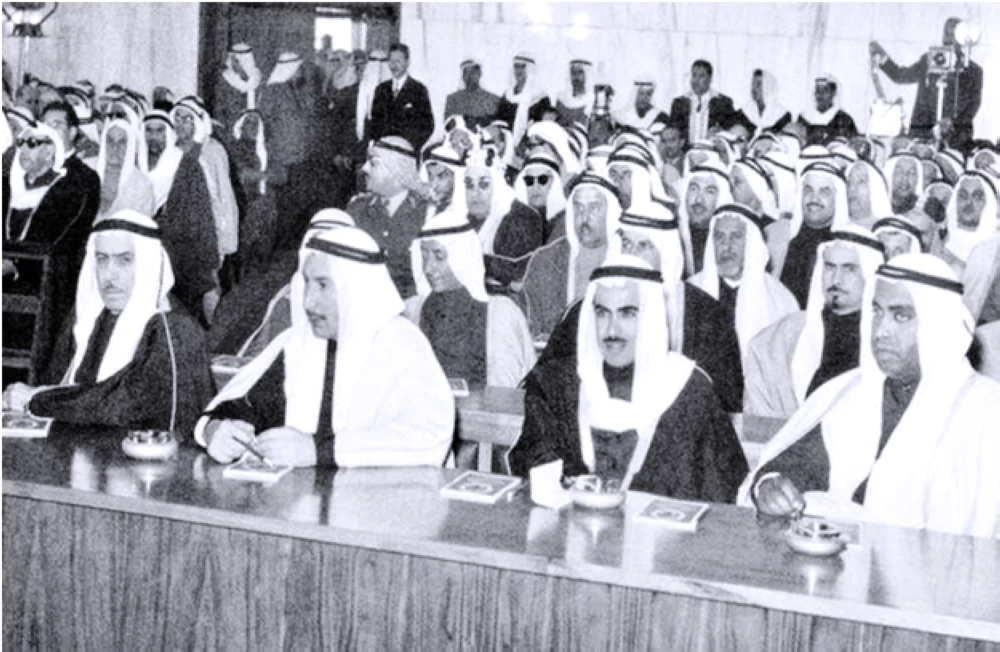
ظل الشيخ مبارك العبدالله الأحمد ممسكاً بوزارة الإرشاد والأنباء حتى 29 ديسمبر من العام نفسه، حينما تركها بسبب استقالة الحكومة. بعد ذلك راحت حقيبة الإرشاد والأنباء للشيخ جابر العلي السالم الصباح، بينما تم تكليف الشيخ مبارك بحقيبة وزارة الدولة لشؤون مجلس الوزراء، فشغلها لغاية 30 نوفمبر 1964، حينما قدم استقالته ليتفرغ لأعماله الخاصة. وبذلك اعتزل الحياة السياسية بعد أن أدى خدمات جليلة لوطنه على مدى سنوات، منها مساهمته في سن التشريعات الهامة مثل قانون الانتخاب رقم 12 لسنة 1963 بحكم عضويته في المجلس التأسيسي الذي سن الدستور ومهد لقيام الحياة البرلمانية، ومنها أيضاً قيامه بتطوير وتحديث شبكة الاتصالات الهاتفية عبر الاستعانة بالشركات الأجنبية المتخصصة والخبراء الدوليين زمن قيادته لوزارة البرق والبريد والهاتف. ففي عهده مثلاً زاد انتشار الهواتف في الكويت زيادة كبيرة، وتمت التوسعة الكبيرة في مقسم شرق الأحمدي بإضافة 400 خط، وتأسس مقسم (B) بسعة أربعة آلاف خط، وتم تركيب المقاسم الأوتوماتيكية في العديد من المؤسسات كمستشفى الصباح وإدارات البلديات والمستوصفات الخارجية، كما تمت إضافة أنظمة للبت السريع في طلبات النجدة والمساعدة في حالات الطوارئ، وإضافة عدد من الأنظمة الحديثة التي تم جلبها بغرض الاتصال بين فيلكا والكويت والجهراء.
في ذاكرة الكويت
قال عنه الباحث والمؤرخ والأديب الشاعر الدكتور يعقوب يوسف الغنيم، الذي عمل تحت قيادته بوزارة الإرشاد والأنباء وكان مديراً للتلفزيون، في مقال نشره بصحيفة «الوطن» الكويتية (6/4/2011)، ما مفاده، أنه وكل مرؤوسيه صدموا يوم أن سمعوا بخبر استقالته، وأسفوا على قراره لأنهم وجدوا فيه وزيراً حكيماً ورجلاً نبيلاً، مضيفاً: «لقد ترك هذا الرجل النبيل عمله في الحكومة، ولكنه بقي في قلوب الناس وأذهانهم، وكلما طرأت الحاجة إلى شخص يحمل عبئاً من أعباء العمل الحكومي تذكروا الشيخ مبارك العبدالله الأحمد الجابر وقالوا: هذا يوم من أيامه، كما يقولون ذلك عن والده».
فيما يتعلق بحياته الأسرية، تزوج الشيخ مبارك العبدالله من الشيخة زكية عبدالله الجابر الصباح، ابنة الأب الروحي للمعارف الكويتية ومؤسسها، ورزق منها بثلاث بنات وستة أبناء (حصة وجابر وطلال ومشعل وعبدالله ونيران وفهد ونوف وخالد). وشغل ابنه الشيخ طلال مبارك العبدالله الأحمد مناصب إدارية بارزة منها رئيس مجلس الإدارة والعضو المنتخب لمؤسسة الخطوط الجوية الكويتية سابقاً، كما تولى ابنه الآخر مشعل مبارك العبدالله الأحمد منصب وكيل الديوان الأميري بالدرجة الممتازة اعتباراً من سبتمبر 2025. وللراحل أحفاد يشغلون بعض المناصب الرسمية مثل الشيخ الدكتور عبدالله مشعل مبارك العبدالله الأحمد، الحاصل على درجة الدكتوراه في اقتصاديات الصحة من كلية لندن الجامعية وبكالوريوس الطب البشري والجراحة من جامعة الكويت، والذي شغل منصب رئيس هيئة الخدمات الطبية بوزارة الدفاع الكويتية من 2019 وحتى عام 2022 حينما صدر مرسوم بتعيينه وكيلاً لوزارة الدفاع.
The esteemed Al-Sabah family, whose roots trace back to the Al-‘Utub tribe of the Arab Anza tribe, has ruled Kuwait since 1752, when Sheikh Sabah I bin Jaber Al-Sabah (1700 – 1762) ascended to power following a popular pledge of allegiance, becoming the first ruler from this noble family. During the reign of his son, Sheikh Mubarak bin Sabah, known as Sheikh Mubarak the Great (1844 – 1915), who is described in historical literature as the true founder of the Emirate of Kuwait, a decisive alliance was formed between Kuwait and Great Britain, which preserved the country's stability until its complete independence in 1961 under the eleventh ruler, Sheikh Abdullah Al-Salem Al-Sabah (1895 – 1965), who led Kuwait from 1950 until his death in 1965.
The family has produced all of Kuwait's rulers who have guided the country through significant historical, political, and economic phases, engaging in developmental battles for its elevation and prosperity over decades, as well as military and political battles during the darkest periods and circumstances to ensure its survival, continuity, and sovereignty.
The tenth ruler, Sheikh Ahmad Al-Jaber Al-Sabah (1885 – 1950), who succeeded his uncle Sheikh Salem Al-Mubarak Al-Sabah in 1921 until his death in January 1950, was the longest-serving ruler of Kuwait. During his time, the Al-Aqeer Treaty of 1922 was signed, which delineated the borders between Iraq, Kuwait, and Saudi Arabia. The Advisory Council was established, followed by the first and second legislative councils, marking the initial steps towards democratic life. Government departments were founded, which later became the nucleus for ministries, the air transport movement flourished, and Kuwait transformed into a regional air hub. The process of sending students abroad for higher education began, oil was discovered in 1938, and exports commenced in 1946, leading to urban expansion, the development of public services and infrastructure, and the prosperity and welfare that his successors continued to enhance. Sheikh Ahmad Al-Jaber Al-Sabah fathered many children, four of whom ruled Kuwait and contributed to its glory, starting with Sheikh Jaber Al-Ahmad Al-Jaber, who ruled from December 31, 1977, until his death on January 15, 2006, witnessing the liberation of the country from the unjust Iraqi invasion in 1990, and culminating with the current Emir, Sheikh Mishal Al-Ahmad Al-Jaber, who assumed leadership on December 16, 2023, and continues today with the process of development and construction at a steady pace.
The above serves as a prelude to discussing a man from this noble family on the occasion of the third anniversary of his passing. On the twenty-fifth of September, the third anniversary of the passing of Sheikh Mubarak Abdullah Al-Ahmad Al-Jaber Al-Sabah, may God have mercy on him, is observed, who was lost to Kuwait at the age of 93 on September 25, 2023, after a life dedicated to serving his country and its people, during which he held official responsibilities in the pre-independence and post-independence eras until the mid-1960s, when he chose to retire from official positions and political work entirely, due to his aversion to the limelight and ministerial portfolios. However, he remained in high esteem and a revered status within the ruling house and among the influential, continuing to earn the respect and love of people wherever he went due to his integrity, uprightness, and extensive experience.
Sheikh Mubarak, described as a wise and seasoned man who loved his country and people, and referred to as one of the pillars of the ruling Al-Sabah family and its advisor, was born in Kuwait City in 1930. His father was Sheikh Abdullah Al-Ahmad Al-Jaber Al-Sabah (1903 – 1957), the eldest son of the tenth ruler of Kuwait, Sheikh Ahmad Al-Jaber, from his first wife, Mrs. Hessa bint Ibrahim bin Mohammed Al-Ghanem. Therefore, the subject of this translation is one of the earliest descendants of Sheikh Ahmad Al-Jaber and the elder uncle of four of Kuwait's princes (Jaber Al-Ahmad, Sabah Al-Ahmad, Nawaf Al-Ahmad, and Mishal Al-Ahmad).
His father, Sheikh Abdullah Al-Ahmad, is considered one of the most important early security figures in Kuwait, remembered by Kuwaitis to this day for establishing the foundations of security in their country during the early formation of Kuwait as a state through his firm and just application of the law without relent or discrimination. He assumed responsibility for weapon affairs at the historic Nayef Palace, built on the Nayef plateau in 1919 during the reign of Sheikh Salem Al-Mubarak Al-Sabah, and due to his responsibility for arms, his name became associated with public security, especially after he headed this sensitive agency in the 1940s and 1950s before security was merged with the army and entrusted to Sheikh Abdullah Al-Mubarak Al-Sabah, in addition to the latter's position as deputy to the ruler, Sheikh Abdullah Al-Salem Al-Sabah, throughout the 1950s until his resignation in April 1961 and departure from the country. It is worth noting that after security responsibilities were transferred to Sheikh Abdullah Al-Mubarak Al-Sabah, he was appointed deputy head of the public security department, continuing his involvement in all matters related to maintaining security and establishing order.
Moreover, the father of the subject of this translation, in addition to his security work, represented Sheikh Abdullah Al-Jaber Al-Sabah in leading the Kuwait Education Department and the Public Awqaf Department when the latter was absent from the country, fulfilling their duties diligently, actively, and sincerely, including attending official, educational, and religious events related to both departments.
Returning to the biography of Sheikh Mubarak Abdullah Al-Ahmad, we find that he began his education in traditional kuttabs, where he received initial lessons in reading, writing, arithmetic, and the Quran. He then joined the formal schools of Kuwait, specifically Al-Mubarakiyah School (opened on December 22, 1911, as the first formal school in Kuwait's history), and learned English at the American Mission School known as the Kafarly School, named after its founder, American pastor Edwin Kafarly, in 1911. He entered the public work sphere before completing his thirtieth spring, succeeding his father after his death in 1957, becoming the deputy head of public security for a short period.
Due to the competence and seriousness he demonstrated at the beginning of his career, not to mention his integrity, high morals, and closeness to the people, he earned the trust of His Highness the ruler, Sheikh Abdullah Al-Salem Al-Sabah, who chose him to lead the Department of Post, Telegraph, and Telephone on February 17, 1959, two years before the country's independence, making his selection an excellent choice. He rolled up his sleeves and undertook notable work during a time when the communications sector was suffering from inefficiency and an inability to keep pace with the developmental boom that Kuwait was experiencing at the time, resulting in the widespread availability of telephone services and post offices throughout Kuwait, along with the development and improvement of their operations. Consequently, he earned the title of "Man of the Era."
After Kuwait gained its independence in 1961 by abolishing the agreement made in 1899 with Great Britain, specifically when the first government was formed under the leadership of former Emir Sheikh Sabah Al-Salem Al-Sabah by virtue of the decree issued on January 17, 1962, the Prime Minister found no one better than Sheikh Mubarak to entrust with the responsibilities of the Ministry of Post, Telegraph, and Telephone (later the Ministry of Communications), thus entering the history of his country as the first minister of this important service ministry.
Marks in State Building
After the first National Assembly elections in 1963, a new government was formed under the leadership of Sheikh Sabah Al-Salem Al-Sabah on January 28, 1963, and he was appointed Minister of Guidance and Information (currently Media), replacing Sheikh Sabah Al-Ahmad Al-Jaber, who was entrusted with the foreign affairs portfolio, contributing to the establishment of Kuwaiti media and its elevation during that politically critical period in Kuwait's history.
Sheikh Mubarak Abdullah Al-Ahmad held the Ministry of Guidance and Information until December 29 of the same year, when he left it due to the government's resignation. After that, the portfolio of Guidance and Information went to Sheikh Jaber Al-Ali Al-Salem Al-Sabah, while Sheikh Mubarak was assigned the portfolio of Minister of State for Cabinet Affairs, which he held until November 30, 1964, when he submitted his resignation to devote himself to his private business. Thus, he retired from political life after providing significant services to his country over the years, including his contribution to enacting important legislation such as Election Law No. 12 of 1963, due to his membership in the Constituent Assembly that enacted the constitution and paved the way for parliamentary life. He also contributed to the development and modernization of the telephone network by engaging specialized foreign companies and international experts during his leadership of the Ministry of Post, Telegraph, and Telephone. For instance, during his tenure, the number of telephones in Kuwait increased significantly, a major expansion was made at the East Ahmadi exchange by adding 400 lines, and Exchange (B) was established with a capacity of four thousand lines. Automatic exchanges were installed in many institutions such as Al-Sabah Hospital, municipal administrations, and external clinics, while rapid response systems for emergency assistance were added, along with several modern systems brought in for communication between Failaka, Kuwait, and Jahra.
In the Memory of Kuwait
Dr. Yaqoub Youssef Al-Ghanim, a researcher, historian, and literary poet who worked under his leadership at the Ministry of Guidance and Information and was the director of television, said in an article published in the Kuwaiti newspaper "Al-Watan" (6/4/2011) that he and all his subordinates were shocked when they heard the news of his resignation and regretted his decision because they found in him a wise minister and a noble man, adding: "This noble man left his work in the government, but he remained in the hearts and minds of the people, and whenever there was a need for someone to bear the burdens of government work, they remembered Sheikh Mubarak Abdullah Al-Ahmad Al-Jaber and said: 'This is one of his days,' just as they say about his father."
Regarding his family life, Sheikh Mubarak Abdullah married Sheikha Zakiya Abdullah Al-Jaber Al-Sabah, the daughter of the spiritual father of Kuwaiti education and its founder, and he had three daughters and six sons (Hessa, Jaber, Talal, Mishal, Abdullah, Niran, Fahd, Nouf, and Khalid). His son Sheikh Talal Mubarak Abdullah Al-Ahmad held prominent administrative positions, including Chairman of the Board and elected member of Kuwait Airways Corporation previously, while his other son Mishal Mubarak Abdullah Al-Ahmad has held the position of Undersecretary of the Amiri Diwan at the excellent grade since September 2025. The late Sheikh Mubarak has grandchildren who hold some official positions, such as Sheikh Dr. Abdullah Mishal Mubarak Abdullah Al-Ahmad, who holds a Ph.D. in Health Economics from University College London and a Bachelor's degree in Medicine and Surgery from Kuwait University, who served as Chairman of the Medical Services Authority at the Kuwaiti Ministry of Defense from 2019 until 2022 when a decree was issued appointing him Undersecretary of the Ministry of Defense.