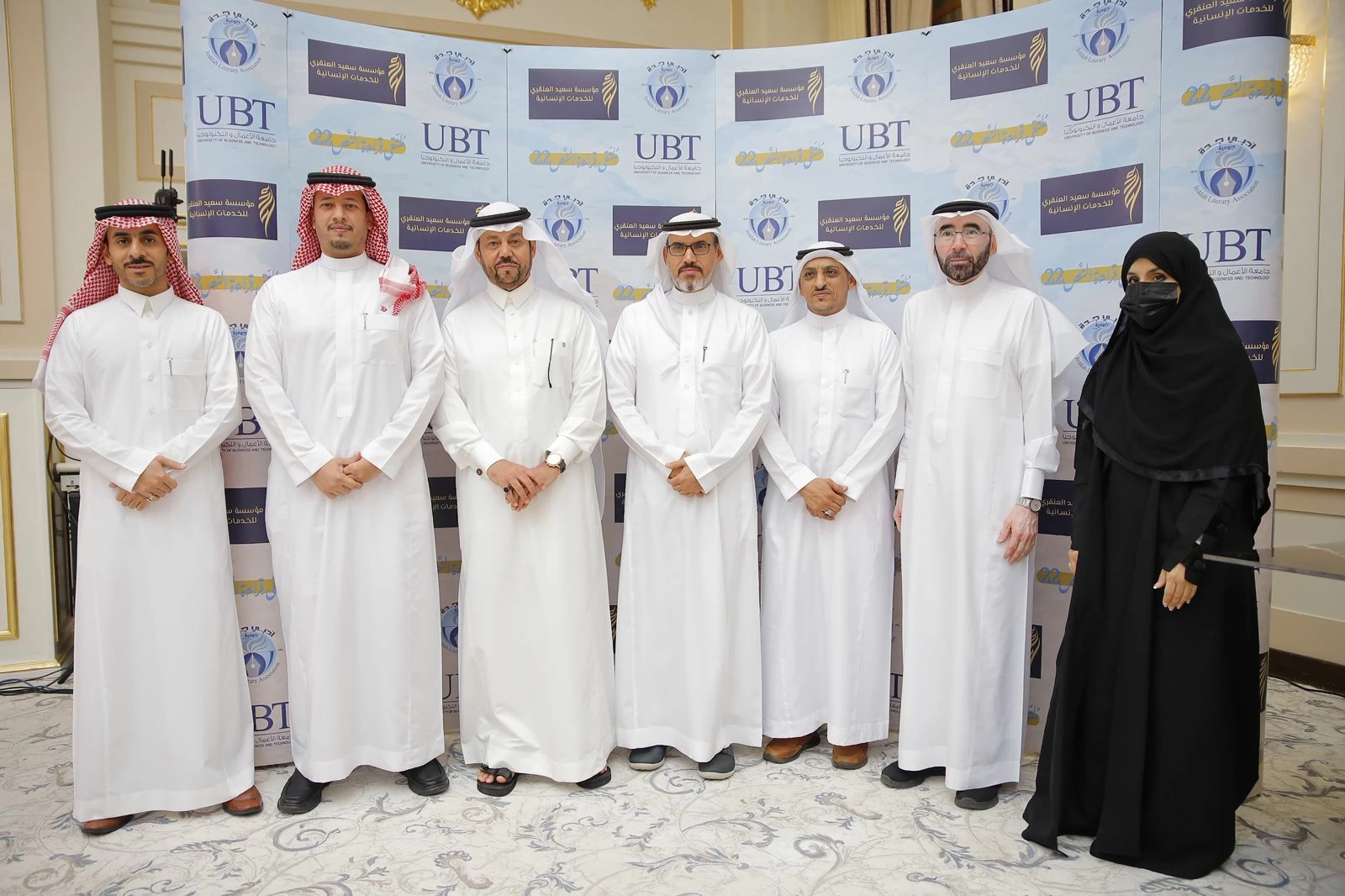
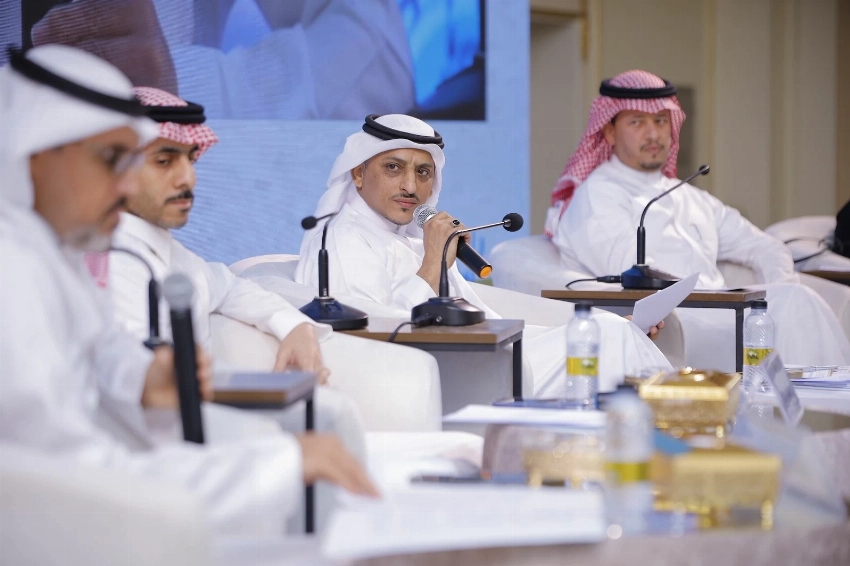
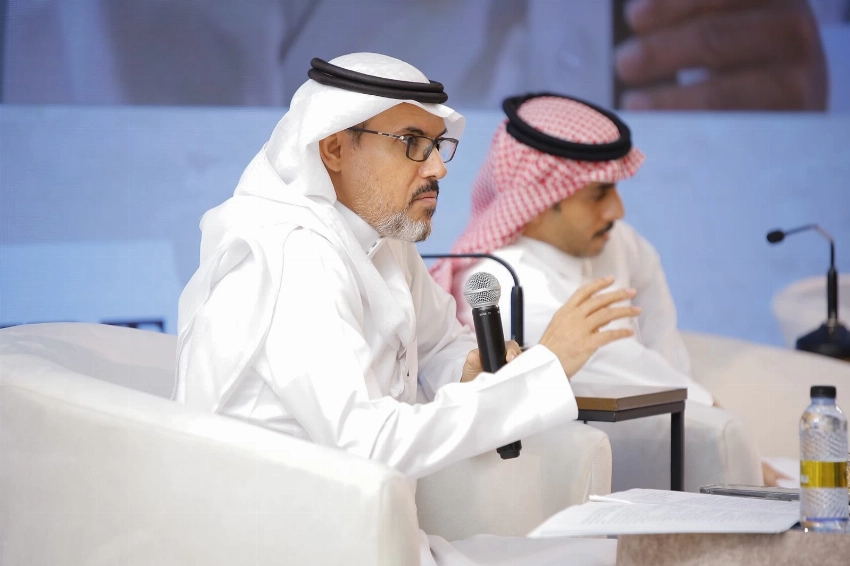
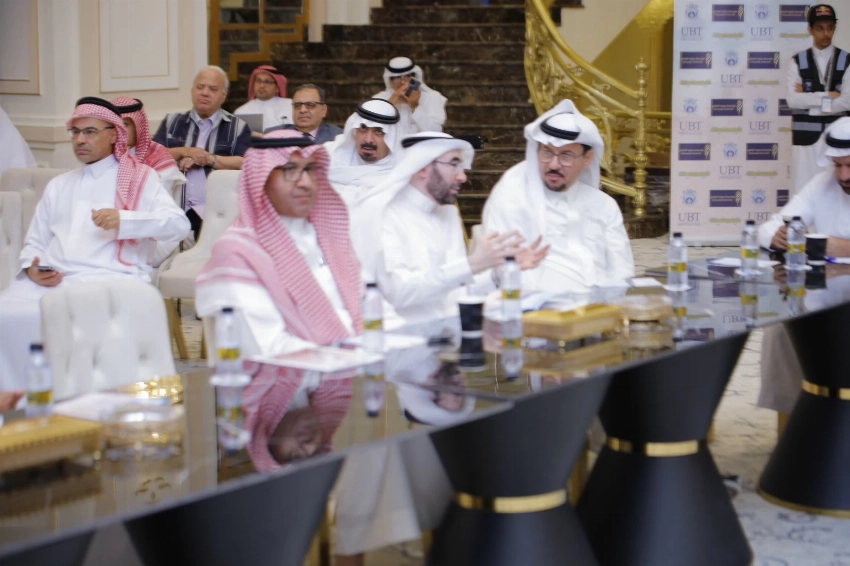
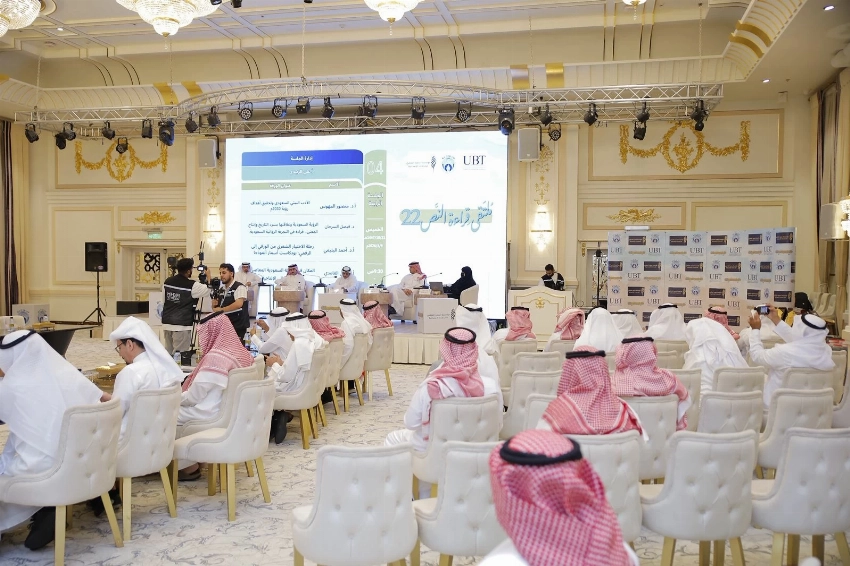
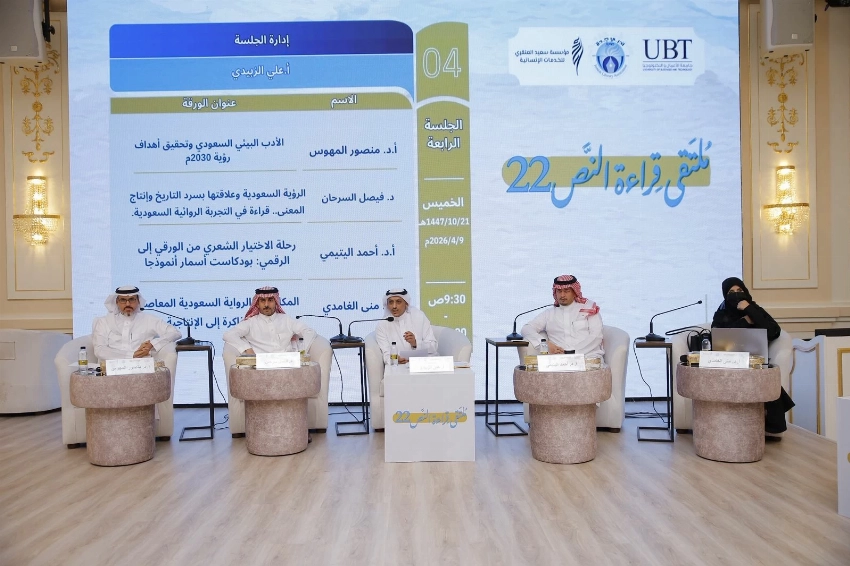
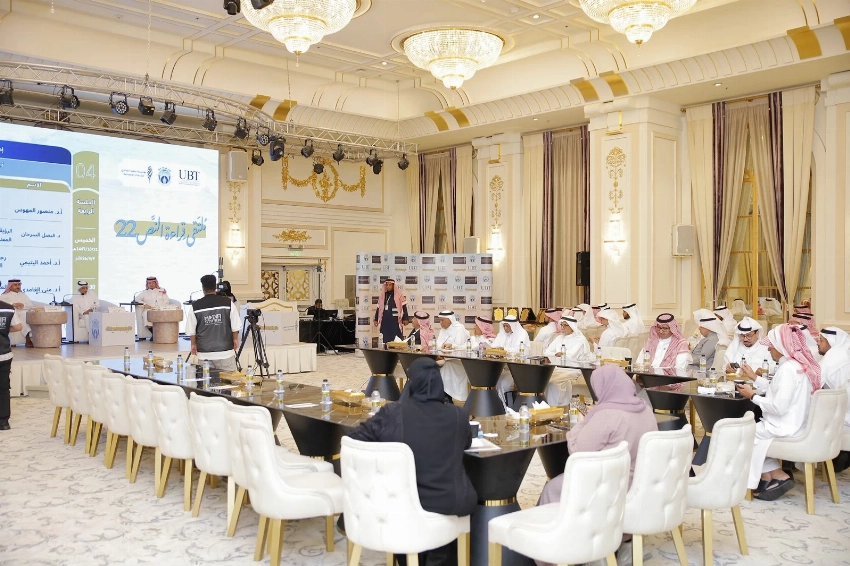
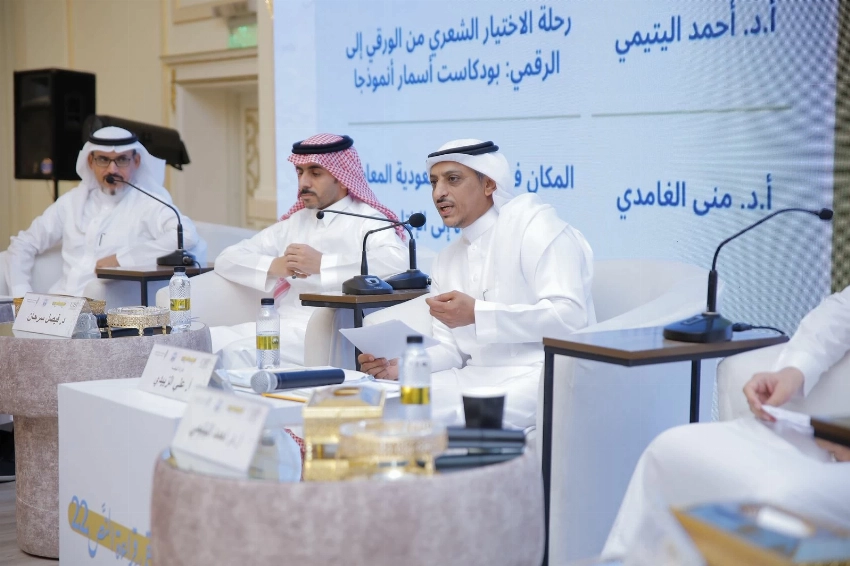
في فضاءٍ تتقاطع فيه أصالة الذاكرة مع طموح المستقبل، واصل ملتقى *«قراءة النص 22»* بجدة رحلته المعرفية، حيث لم تعد الجلسة الرابعة مجرد نقاشات أدبية، بل تحولت إلى ورشة عمل فكرية لإعادة تعريف العلاقة بين النص السعودي والتحولات الكبرى التي تعيشها المملكة. تحت إدارة علي الزبيدي، انطلقت الأطروحات لتؤكد أن الأدب ليس مرآة للواقع فحسب، بل هو شريك في صناعته.
رئة خضراء للنص الأدبي
افتتح الدكتور منصور المهوس الجلسة بوقفة تأملية أمام «الأدب البيئي»، محذرًا من الخلط بين «الوصف التقليدي للطبيعة» وبين «أدب الاستدامة». وبنظرة ثاقبة، دعا المهوس إلى انتقال المبدع السعودي من دور «الواصف» إلى دور «الشريك»، متسائلًا بجرأة: هل استطاع أدبنا تجسير الفجوة بين المشاعر العاطفية تجاه البيئة وبين السلوك الإبداعي الحقيقي؟ وانتهى إلى رؤية طموحة تطالب بإنشاء *«جمعية الأدب البيئي»* لتكون المظلة التي تحول قضايا المناخ والأرض إلى نصوص خالدة تواكب مبادرة «السعودية الخضراء».
من الورق إلى الأثير: ثورة الـ «بودكاست»
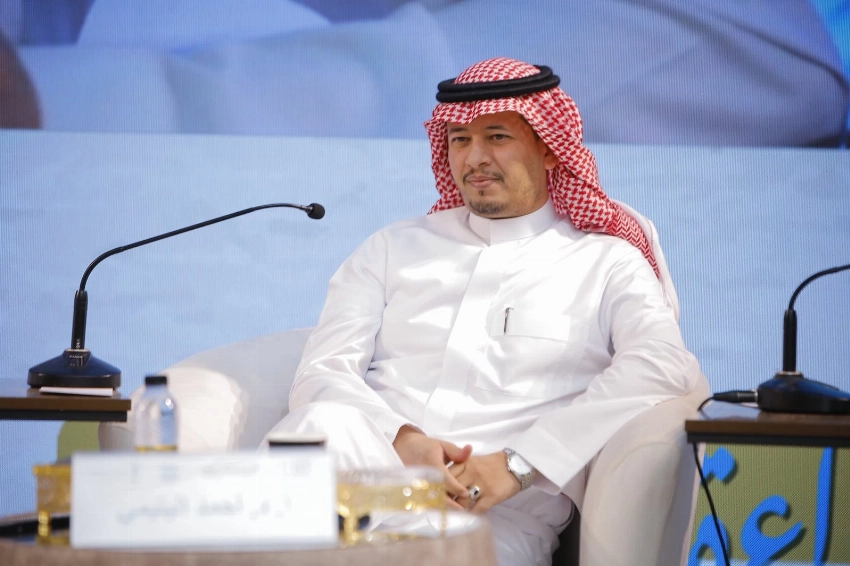
وفي سياق التحولات الرقمية، تتبع *الدكتور أحمد اليتيمي* هجرة القصيدة من دفتي الكتاب إلى فضاء «البودكاست»، متخذًا من تجربة «أسمار» نموذجًا. اليتيمي لم يرَ في هذا التحول مجرد تغيير في الوسيط، بل رصد تحولًا سوسيولوجيًا في «الذائقة»، حيث أصبح الأدب متاحًا، تفاعليًا، وعابرًا للحواجز التقليدية، مما يعكس مرونة الثقافة السعودية في استيعاب أدوات العصر الرقمي.
المكان: من «مسرح للأحداث» إلى «بطل الرواية»
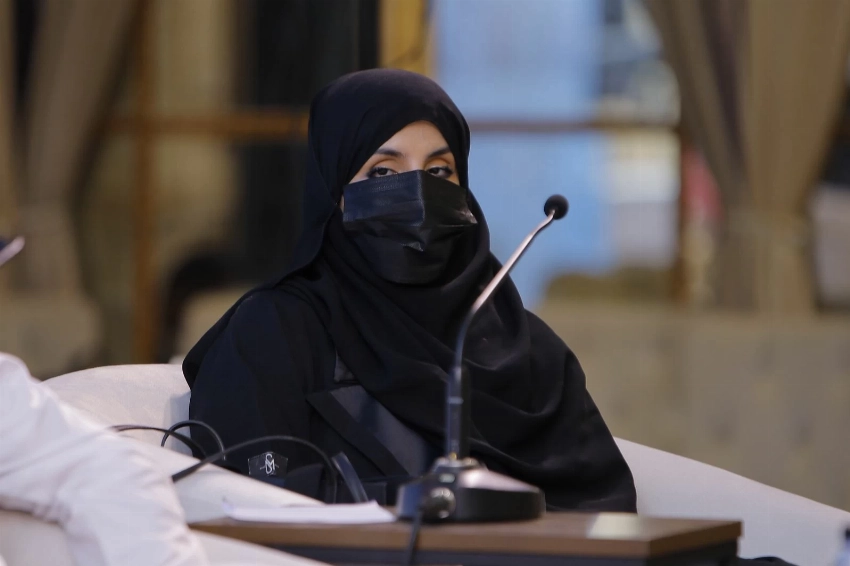
أما الدكتورة منى الغامدي فقد منحت المكان صوته الخاص، مؤكدة أن المدن السعودية في الرواية المعاصرة لم تعد خلفيات صامتة، بل تحولت إلى كائنات حية تعكس ملامح الهوية والانتماء. من استنطاق الذاكرة إلى استشراف المستقبل عبر الخيال العلمي، بينت الغامدي كيف تحول المكان إلى أداة ترويج سياحي وثقافي، بل وصار بُعدًا رقميًا يجسد طموحات المدن السعودية المستقبلية.
صياغة التاريخ.. سد فراغات المعنى
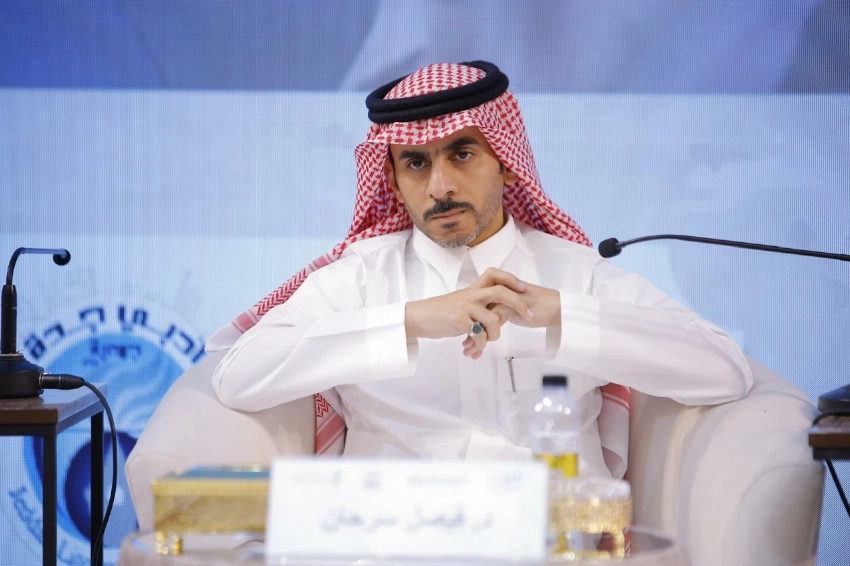
واختتم الباحث فيصل السرحان الجلسة بقراءة عميقة في «الرواية التاريخية»، موضحًا كيف أعادت رؤية 2030 فك الارتباط التقليدي مع التاريخ بوصفه حقائق جامدة، لتحوله إلى مجال خصب لإنتاج المعنى وتقرير الهوية الوطنية. السرحان أشار إلى أن الروائي السعودي اليوم لم يعد مجرد «ناقل» للخبر التاريخي، بل أصبح «صانعًا» للخطاب، يستثمر التقاطعات الكبرى للرؤية ليبني أعمالًا أدبية تتجاوز حدود الزمن.
إنها لحظة «الاشتباك» الخلاق مع الواقع؛ حيث لم يعد المثقف السعودي يكتفي بالقراءة، بل بات يكتب مسودة المستقبل بلغة الاستدامة، وتقنيات الرقمية، وعمق التاريخ.
In a space where the authenticity of memory intersects with the ambition of the future, the *“Reading Text 22”* forum in Jeddah continued its intellectual journey. The fourth session transformed from mere literary discussions into a workshop for re-defining the relationship between Saudi text and the major transformations taking place in the Kingdom. Under the management of Ali Al-Zubaidi, the proposals emerged to affirm that literature is not just a mirror of reality, but a partner in its creation.
A Green Lung for Literary Text
Dr. Mansour Al-Mahous opened the session with a reflective pause on “environmental literature,” warning against confusing “the traditional description of nature” with “sustainability literature.” With keen insight, Al-Mahous called for Saudi creators to transition from the role of “describer” to that of “partner,” boldly questioning: Has our literature bridged the gap between emotional feelings towards the environment and genuine creative behavior? He concluded with an ambitious vision calling for the establishment of a *“Environmental Literature Association”* to be the umbrella that transforms climate and earth issues into timeless texts that align with the “Green Saudi Arabia” initiative.
From Paper to Ether: The Podcast Revolution
In the context of digital transformations, *Dr. Ahmed Al-Yetimi* traced the migration of poetry from the pages of books to the realm of “podcasts,” using the experience of “Asmar” as a model. Al-Yetimi did not see this shift as merely a change in medium but observed a sociological transformation in “taste,” where literature became accessible, interactive, and transcended traditional barriers, reflecting the flexibility of Saudi culture in embracing the tools of the digital age.
Place: From “The Stage for Events” to “The Hero of the Narrative”
Dr. Mona Al-Ghamdi gave place its own voice, emphasizing that Saudi cities in contemporary novels are no longer silent backgrounds but have transformed into living entities that reflect the features of identity and belonging. From invoking memory to envisioning the future through science fiction, Al-Ghamdi illustrated how place has become a tool for tourism and cultural promotion, and has even turned into a digital dimension embodying the future aspirations of Saudi cities.
Crafting History.. Filling the Gaps of Meaning
Researcher Faisal Al-Sarhan concluded the session with a profound reading in “historical novels,” explaining how Vision 2030 has redefined the traditional disconnection with history as static facts, transforming it into a fertile ground for producing meaning and determining national identity. Al-Sarhan pointed out that the Saudi novelist today is no longer merely a “transmitter” of historical news but has become a “creator” of discourse, leveraging major intersections of vision to build literary works that transcend the boundaries of time.
It is a moment of creative “engagement” with reality; where the Saudi intellectual no longer settles for reading but is now drafting the future in the language of sustainability, digital techniques, and the depth of history.